Curonian Spit, Lithuania
The Curonian Spit is UNESCO-listed: 98 km of sand dunes, pine forest, and Baltic beaches. How to visit from Vilnius, what to do, and where to stay.
Nida: Vilnius curonian spit all day tour
Quick facts
- Distance from Vilnius
- ~310 km (to Klaipėda ferry)
- Travel time
- ~3.5 hours to Klaipėda by train/bus, then 5 min ferry + 50 min to Nida
- Best time
- Jun–Aug (warm, services open); May and Sep for fewer crowds
- Days needed
- 1 full day minimum; 1–2 nights in Nida recommended
- Entry
- National park fee €1–2 per person; no gate on foot; car permit required
Quick answer: The Curonian Spit is a 98-kilometre sand bar running from Klaipėda south to the Russian enclave of Kaliningrad, protecting the Curonian Lagoon from the Baltic Sea. Half of it is Lithuanian (Neringa municipality); the other half belongs to Russia. It’s a UNESCO World Heritage Site for its extraordinary dune system — some of the highest migrating sand dunes in Europe — and its small fishing villages. From Vilnius, getting there takes about 3.5–4 hours by train and ferry; it warrants at least a full day, and an overnight in Nida is better.
| Where | Klaipėda to the Russian border, coastal Lithuania |
| Cost | National park fee €1–2/person; car permit extra |
| Time needed | 1 full day minimum; 1–2 nights in Nida ideal |
| Getting there | Train to Klaipėda + ferry + bus (~5h from Vilnius) |
| Best time | Jun–Aug; May and Sep for fewer crowds |
The landscape: what UNESCO recognised
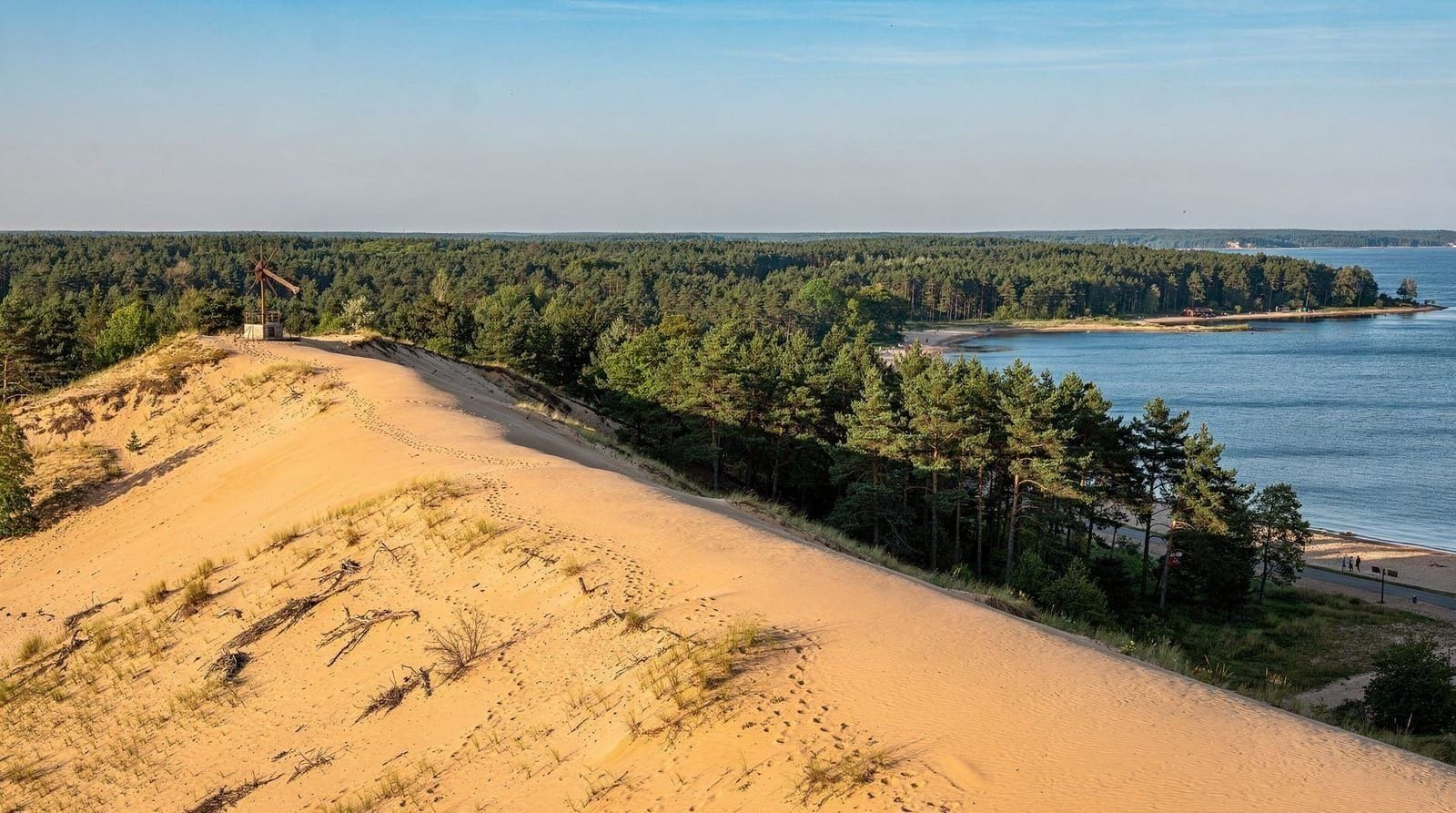
The Curonian Spit has been shaped and reshaped by human activity and natural forces for centuries. The original forest was cleared in the 17th and 18th centuries for timber and shipbuilding; the exposed dunes began migrating eastward, burying entire villages. A massive reforestation effort in the 19th and 20th centuries stabilised most of the spit with Scots and mountain pine, creating the characteristic pine-scented forest that lines the interior road. The dunes remained — the Great Dune Ridge between Juodkrantė and Nida reaches 60–70 metres in places.
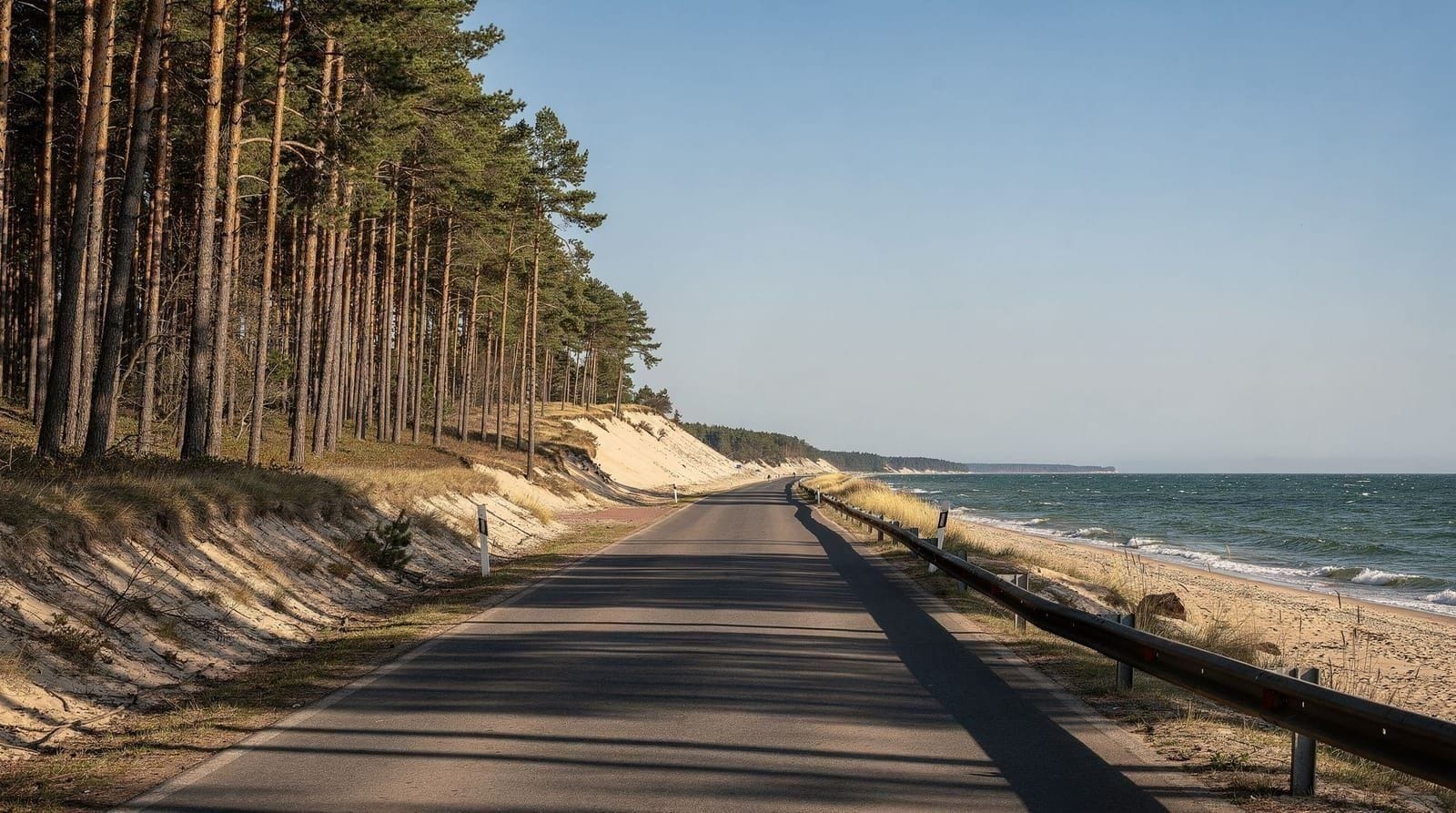
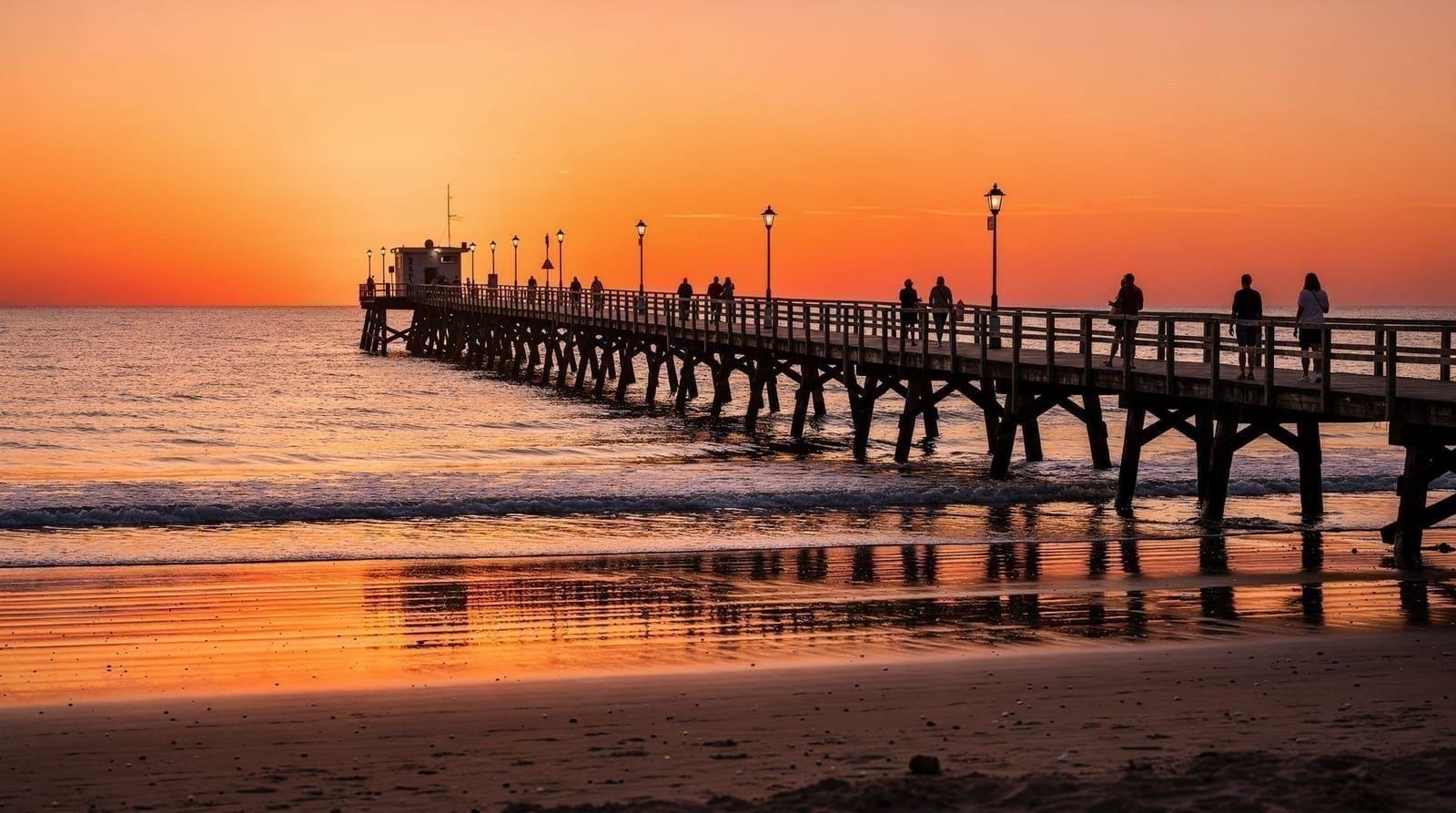
The result is a landscape that shifts between beach (Baltic side, west), pine forest (centre), dune ridge (viewpoints), and calm lagoon (east side). The combination is unlike anywhere else in the Baltic. The spit attracts around 1.5 million visitors annually, concentrated into the short summer season.
Getting there from Vilnius
By train and bus: Take the Vilnius–Klaipėda train (departures multiple times daily, ~3.5 hours, €14–22 depending on class and booking window). In Klaipėda, take the Old Ferry (Senoji Perkėla) across the Curonian Lagoon entrance — runs continuously, 5 minutes, under €1 for pedestrians. On the spit side (Smiltynė), the resort-to-resort bus (route 1) connects all the main villages through to Nida in about 50 minutes. The whole journey from Vilnius to Nida takes around 5 hours.
By organised day tour: Given the travel distance (310 km from Vilnius), an organised day tour solves the logistics — transport there, a local guide, and return. These tours typically depart Vilnius around 07:00 and return by 22:00, covering Parnidis Dune, Nida, and sometimes Juodkrantė.
Nida: Vilnius curonian spit all day tourBy car: Drive to Klaipėda (3.5 hours) and cross on the car ferry. Cars require a daily permit for the national park (€16–20/day for a foreign-registered vehicle). The ferry crossing for a car costs around €14. Driving on the spit is only permitted on the central road (Taikos Alėja and the connecting route); you cannot drive on the beaches.
What to see and do
Parnidis Dune (near Nida)
The most dramatic viewpoint on the Lithuanian side: a 52-metre dune above Nida with panoramic views over the lagoon to the east and the Baltic to the west. A sundial monument stands at the top — the original was destroyed in a storm in 1999 and rebuilt. On clear days you can see the Russian side of the spit.
The climb from Nida takes about 20–25 minutes on a sandy path. In summer midday heat, it can be draining — go early or late. The dune is living and protected: stay on marked paths.
Nida village
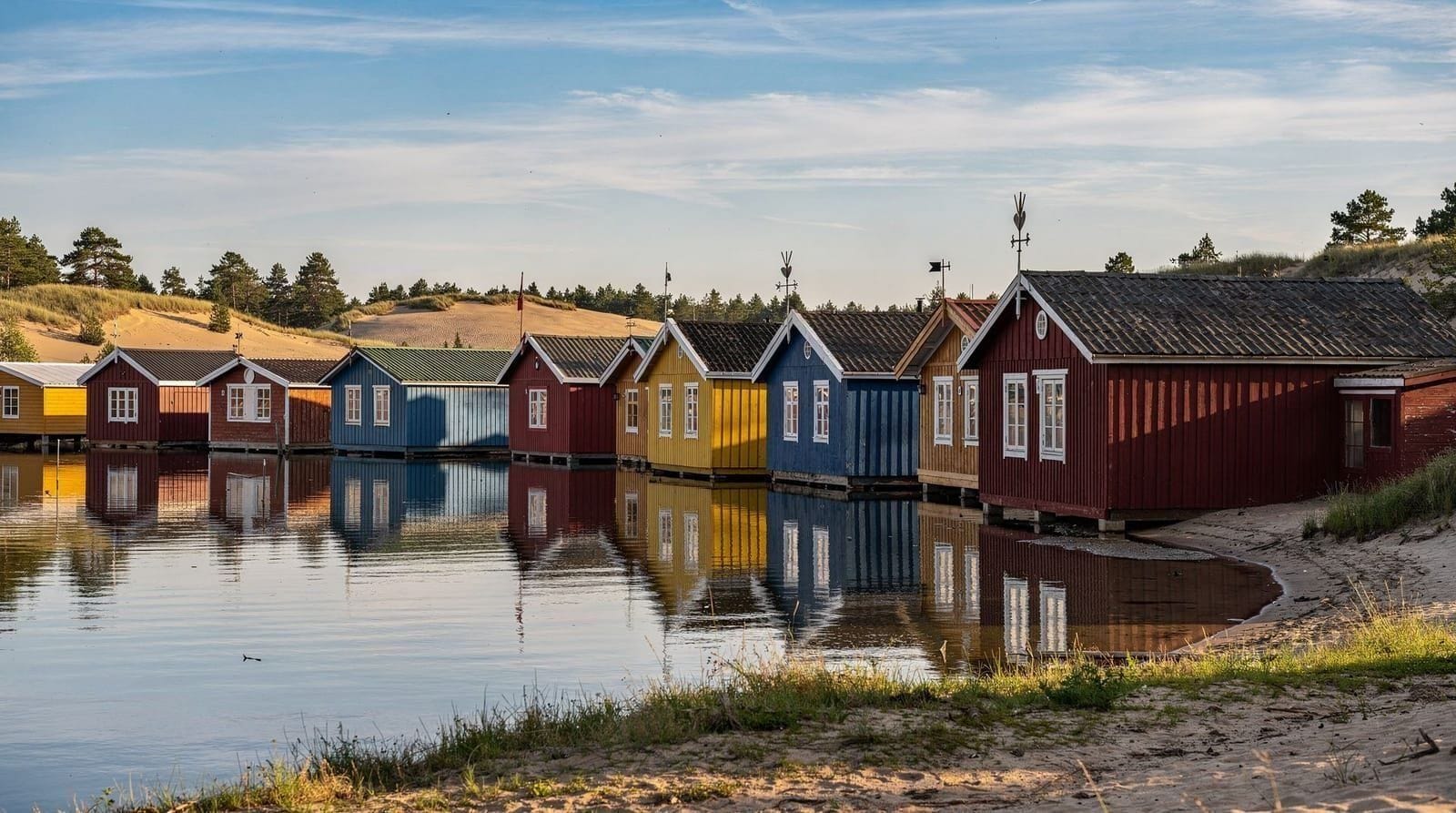
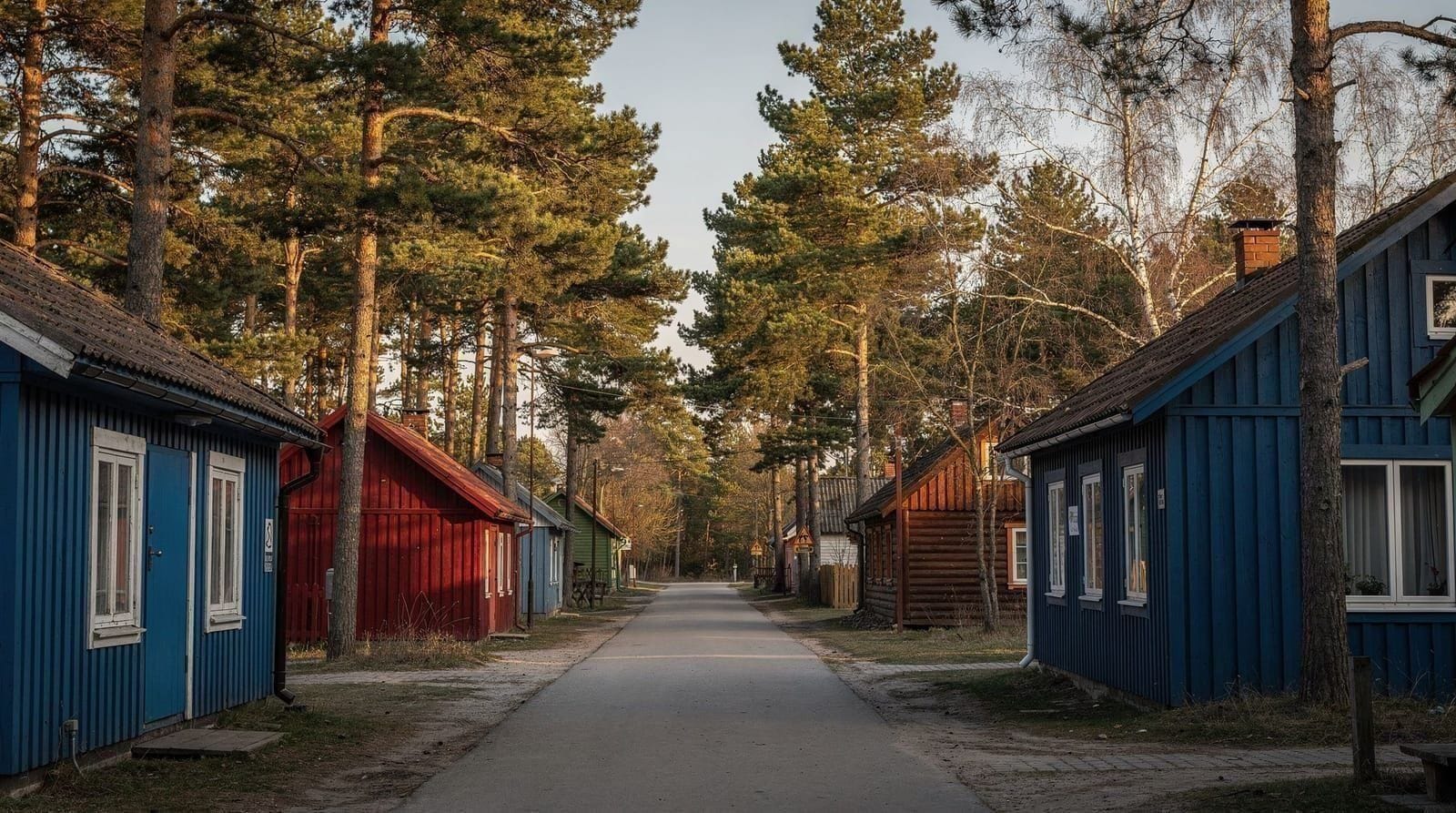
The main settlement on the Lithuanian spit — a resort village with wooden fishermen’s houses (weather vanes in the shape of fish or weathercocks are a traditional Curonian mark), the Thomas Mann House, a small harbour, and the lagoon waterfront promenade. Most visitor facilities are here: restaurants, bike rentals, accommodation. See the Nida destination page for full details.
Juodkrantė and the Hill of Witches
Juodkrantė is the second village north of Nida. Its attraction is the Hill of Witches (Raganų Kalnas) — a wooded path along the dune ridge with carved wooden sculptures of characters from Lithuanian mythology and folklore. Free to walk; allow 1–2 hours. The carvings are playful but also locally significant folk art. The amber mosaic in the church here (from amber found locally in the 19th century) is worth a quick look.
Cycling
The spit has a well-maintained cycling path running the full length of the Lithuanian section, mostly through pine forest away from the road. Rent bikes in Nida (€8–12/day) or Smiltynė and cycle between villages. The full Nida-to-Smiltynė route is about 48 km one-way — a long day but genuinely beautiful. Most visitors do shorter sections.
Klaipėda: Curonian spit group tour dfdsAmber hunting
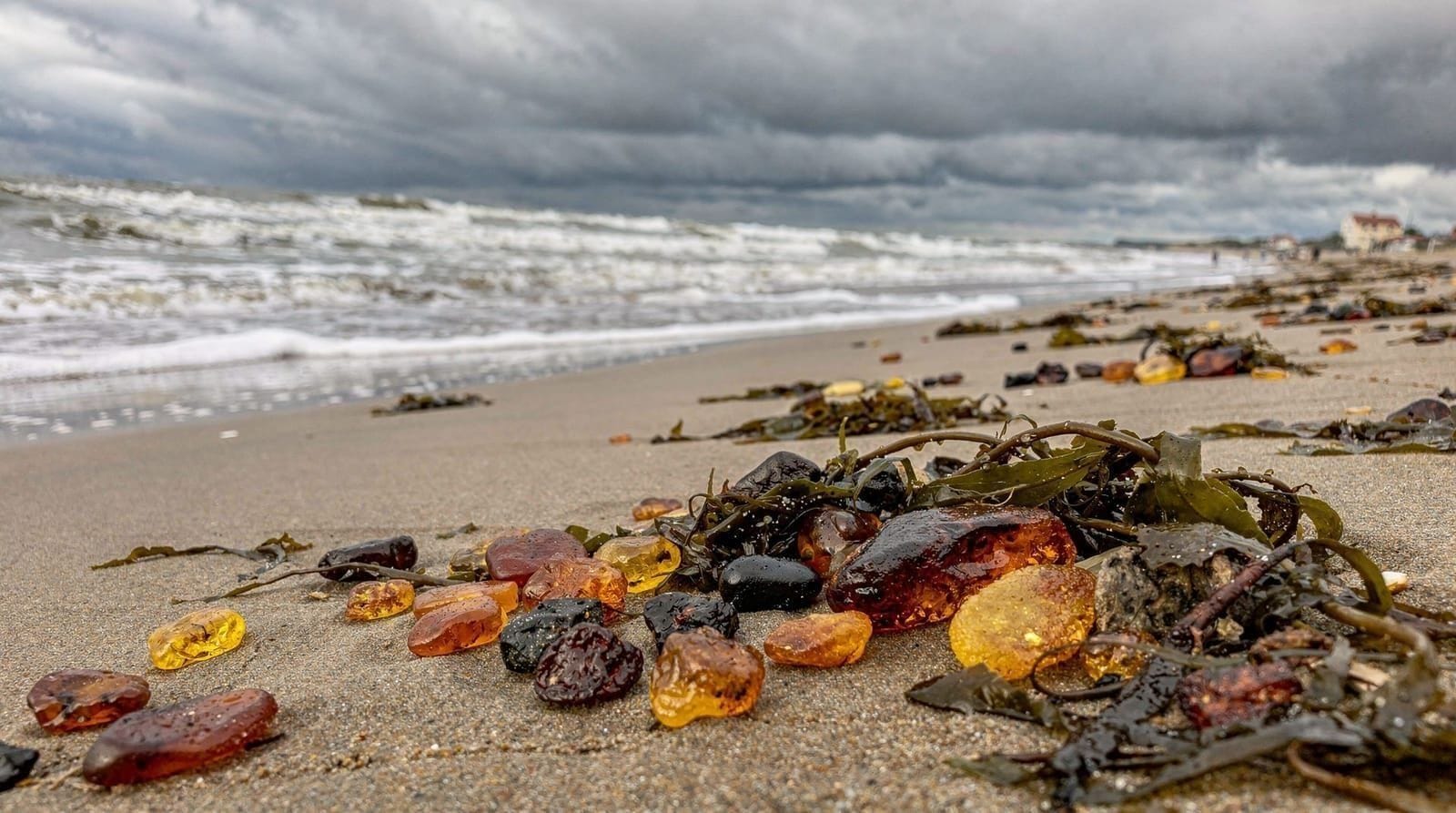
After storms, amber washes up on the beaches of the spit’s Baltic side. This is not a guaranteed activity — you need the right weather conditions and some patience — but amber hunters with flat-bottomed nets work the shoreline in season. Organised amber-hunting tours are available from Klaipėda and along the spit.
Klaipėda: Amber hunting curonian spit private Vilnius: Curonian spit national park day tripPracticalities
National park entry: All visitors entering the Curonian Spit pay a national park fee — currently €1–2 per person per day. If arriving by bus or on foot via the ferry, this is collected at the entry point on the spit side. Car permits are separate and more expensive.
Seasonal note: Many restaurants and accommodation options in Nida and Juodkrantė open only from May to September. Outside these months, services are limited, the ferry operates on a reduced schedule, and some villages feel deserted. The landscape in autumn and winter is dramatic (storm-beaten beaches, empty dunes) but you must be self-sufficient.
Mosquitoes: In July and August, mosquitoes in the pine forest can be intense, especially near the lagoon shore. Bring repellent.
Sunscreen: The dune ascent at Parnidis is exposed. Beach conditions on the Baltic side are also fully exposed. Lithuania’s Baltic coast gets more sun hours than its latitude suggests.
Restricted areas: You cannot cross into the Russian section of the spit without a Russian visa. The border is at the south end of Nida municipality. Do not approach it.
The Nida vs. Klaipėda base question
If you have more than one day in the area:
- Klaipėda is the practical base: transport hub, year-round services, more accommodation options at lower prices.
- Nida is the scenic base: on the spit itself, peaceful in the morning before day-trippers arrive, better access to the dunes and lagoon.
For a one-day visit, base yourself in Nida (reach it directly by bus from the Smiltynė ferry). For two days, consider a night in Nida and travel via Klaipėda.
See the Vilnius to Klaipėda and Curonian Spit transport guide for full logistics.
Seasonality: when to go
| Period | Conditions | Notes |
|---|---|---|
| Jun–Aug | Warm, all services open | Peak crowds, book Nida accommodation ahead |
| May, Sep | Mild, fewer visitors | Best balance of weather and quiet |
| Oct–Apr | Cold, most services closed | Dramatic empty-dune landscape; self-sufficiency required |
The spit rewards different visitors at different times. Summer gives you swimmable water and every restaurant open. Shoulder season gives you the dunes without the crowds. Winter is for photographers and hikers prepared for closed cafés and a reduced ferry timetable — see the Curonian Spit photo guide for what the off-season light actually looks like.
Private and small-group options
For visitors who want more flexibility than a fixed-departure group tour, a private full-day option covers the same ground — Parnidis Dune, Nida, and often Juodkrantė — with a dedicated vehicle and no waiting on other travellers’ pace. This suits families, photographers who need to linger, or anyone wanting the itinerary adjusted on the day.
Klaipėda: Curonian spit full day privateNature beyond the dunes
The Curonian Spit’s UNESCO status rests as much on its ecology as its scenery. The Great Dune Ridge, the Baltic beach, and the lagoon shore each support distinct habitats, and the spit sits on a major bird migration corridor — the Ventės Ragas ornithological station near the spit’s northern end has recorded bird ringing since 1929, one of the oldest continuously operating stations in Europe. Spring and autumn migration seasons bring serious birdwatchers. For a deeper look at the ecology beyond the headline dunes, see the Curonian Spit nature guide.
Fitting the spit into a longer trip
The Curonian Spit rarely stands alone on an itinerary — most visitors pair it with Klaipėda (the transit gateway) and often Palanga (the beach resort 25 km north of Klaipėda) for a two- or three-day coastal loop from Vilnius. The Vilnius and Curonian Spit week itinerary and the broader Baltic road trip itinerary both build the spit into a longer Lithuania or Baltic-states trip; the 10-day Lithuania grand tour has room for a proper two-night stay. If you’re short on time, the Curonian Spit day trip guide lays out the tightest version that still works.
Frequently asked questions about the Curonian Spit
Is the Curonian Spit worth the trip from Vilnius?
Yes, if you have a full day or more. The 3.5-hour journey each way makes a same-day return from Vilnius a long, tiring day — 7 hours of travel for 4–6 hours on the spit. If you only have one day, an organised day tour is the practical solution. If you have two or three days, taking the train to Klaipėda and spending a night or two on the spit is strongly recommended.
Do I need a visa to visit the Curonian Spit?
You need a Schengen visa (or visa-free access) to enter Lithuania. You do not need any additional permit for the Lithuanian section of the Curonian Spit, other than the national park entry fee. You cannot enter the Russian section of the spit (Kaliningrad region) without a Russian visa.
Can I swim at the Curonian Spit beaches?
Yes. The Baltic Sea beaches on the western side of the spit are clean and have no strong currents in normal conditions. The lagoon side is calmer and warmer, but shallower and with murkier water. The best swimming beaches are near Nida (Baltic side) and around Juodkrantė. Water temperatures reach 18–22°C in July and August.
What is the best way to get around the Curonian Spit?
The bus that runs the length of the Lithuanian spit is reliable and cheap. Cycling is the most enjoyable way to explore — the dedicated cycling path is mostly flat and well-maintained. Walking within individual villages (Nida, Juodkrantė) is easy. You don’t need a car on the spit itself.
When does the Curonian Spit get crowded?
July and August weekends are the peak. Lithuanian Midsummer (Joninės, June 24) sees very high visitor numbers. For a quieter visit with full services, aim for early June or September.
How high are the Curonian Spit dunes?
The Great Dune Ridge on the Lithuanian section reaches 60–70 metres above sea level. Parnidis Dune above Nida is about 52 metres. The dunes in some sections are still slowly migrating — this is active geology.
Can I visit the Curonian Spit as part of a longer Baltic trip?
Yes. It fits naturally into multi-day Lithuania or Baltic-states itineraries, usually combined with Klaipėda and Palanga on the coast, or as one stop on a longer loop that also covers Vilnius, Trakai and Kaunas. See the Vilnius and Curonian Spit week itinerary for a structured version.
Top experiences
Bookable activities with verified prices and instant confirmation on GetYourGuide.