How to eat cepelinai — Lithuania's national dish, properly
The name comes from the German word for zeppelin — the airship — because cepelinai are shaped like one: large, elongated, and substantial. They’re also, by a considerable margin, the most filling thing you’ll eat in Lithuania. A single serving is typically two dumplings, each the size of a fist, and one is enough for most people. Two is a commitment.
Here’s what they are, what the variations mean, and where to eat them well.
| What | Potato dumplings, meat or curd filling, sour cream and bacon topping |
| Price | €5-6 canteen, €8-10 traditional restaurant, €12-14 upmarket |
| Portion | Two dumplings is a full meal; one is enough for most |
| When | Traditionally lunch, not dinner — you’ll need the afternoon to walk it off |
| Where | Etno Dvaras, Forto Dvaras, Lokys, Bernelių Užeiga |
What cepelinai actually are
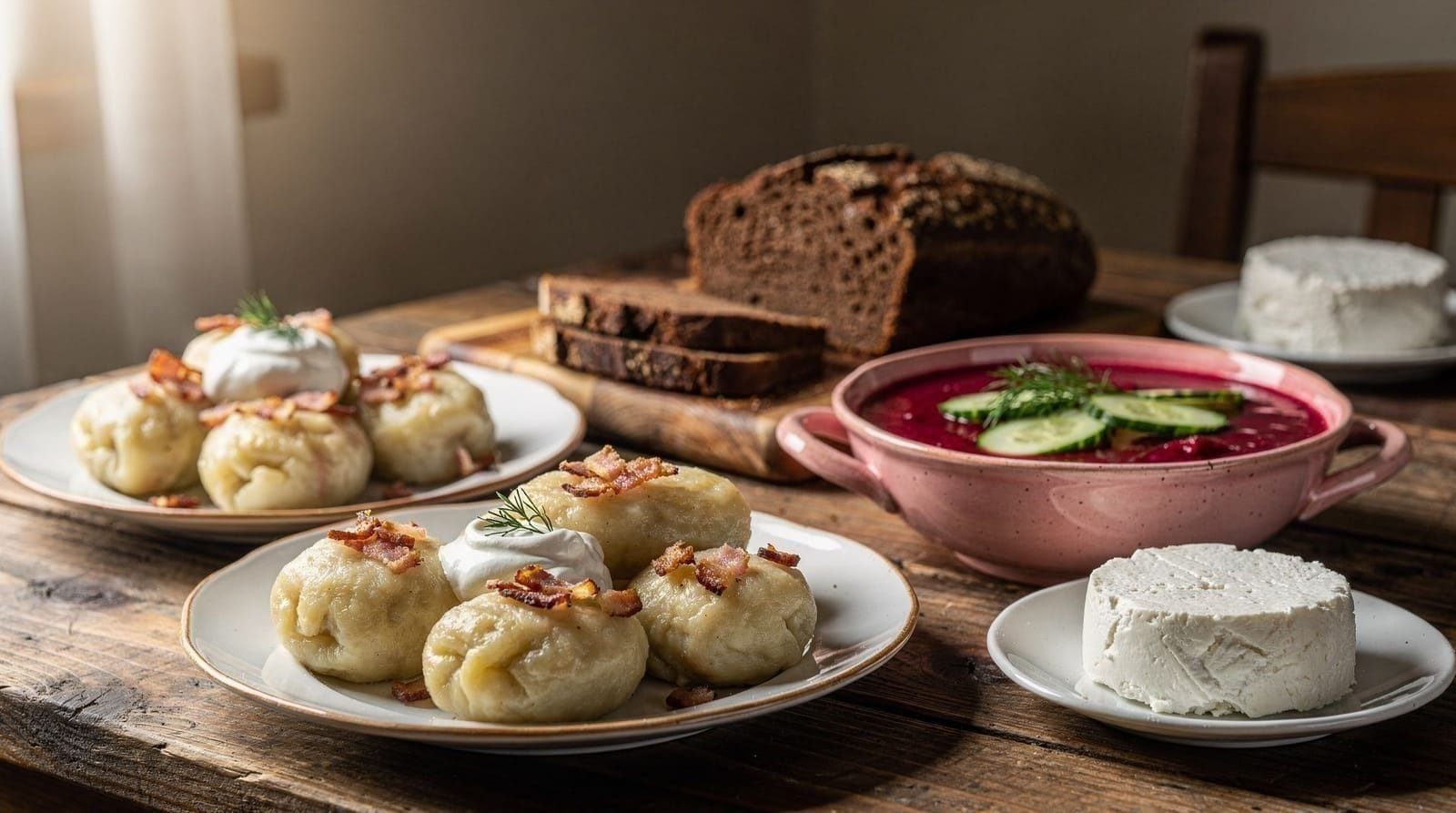
Cepelinai are potato dumplings — specifically, dumplings made from a mixture of raw grated potato and cooked mashed potato, shaped around a filling, and boiled. The potato mixture is the key: Lithuanian cepelinai use both raw and cooked potato together, which gives the outer shell a distinctive slightly translucent grey-green colour when raw that turns grey-beige when cooked. If they come out pale white or bright, something’s off.
The most common filling is meat — minced pork, or a pork and beef combination, seasoned with onion and black pepper. Some versions use smoked meat, which gives a deeper flavour.
Curd filling (varškė) is the alternative: fresh farmer’s cheese mixed with egg and herbs, milder than the meat version, and arguably the better choice if you’re having your second cepelinai of the week.
Mushroom filling appears more rarely, often as a vegetarian option — though check whether the sauce contains bacon, because it frequently does.
The sauce
The standard topping is non-negotiable and can’t really be reduced: sour cream (grietinė) and bacon lardons, pan-fried until crisp. The sour cream is applied generously — a large spoonful or more — and the bacon bits go on top. Fried onions appear in some versions.
You eat the cepelinai by cutting through the dumpling with a fork (not a knife; they’re soft) and letting the sour cream absorb into the exposed interior. This is not a dish to eat in a hurry or while watching your calorie intake.
Where to eat them in Vilnius
Etno Dvaras, Pilies g. 16: The most reliable place for traditional Lithuanian food in Old Town, without being a tourist trap in the worst sense. Their cepelinai are textbook — properly grey, properly dense, topped with the right amount of sour cream and bacon. Expect a 20-minute wait at peak lunch hours. Cepelinai here: €8-10 for a serving of two.
Forto Dvaras, various locations including Pylimo g. 24 (near the bus station) and the market hall: A small chain with a canteen format — you queue, point, pay. No atmosphere to speak of, but the food is honest and very cheap. Cepelinai with meat filling and full toppings: around €5-6. Excellent for a solo lunch stop.
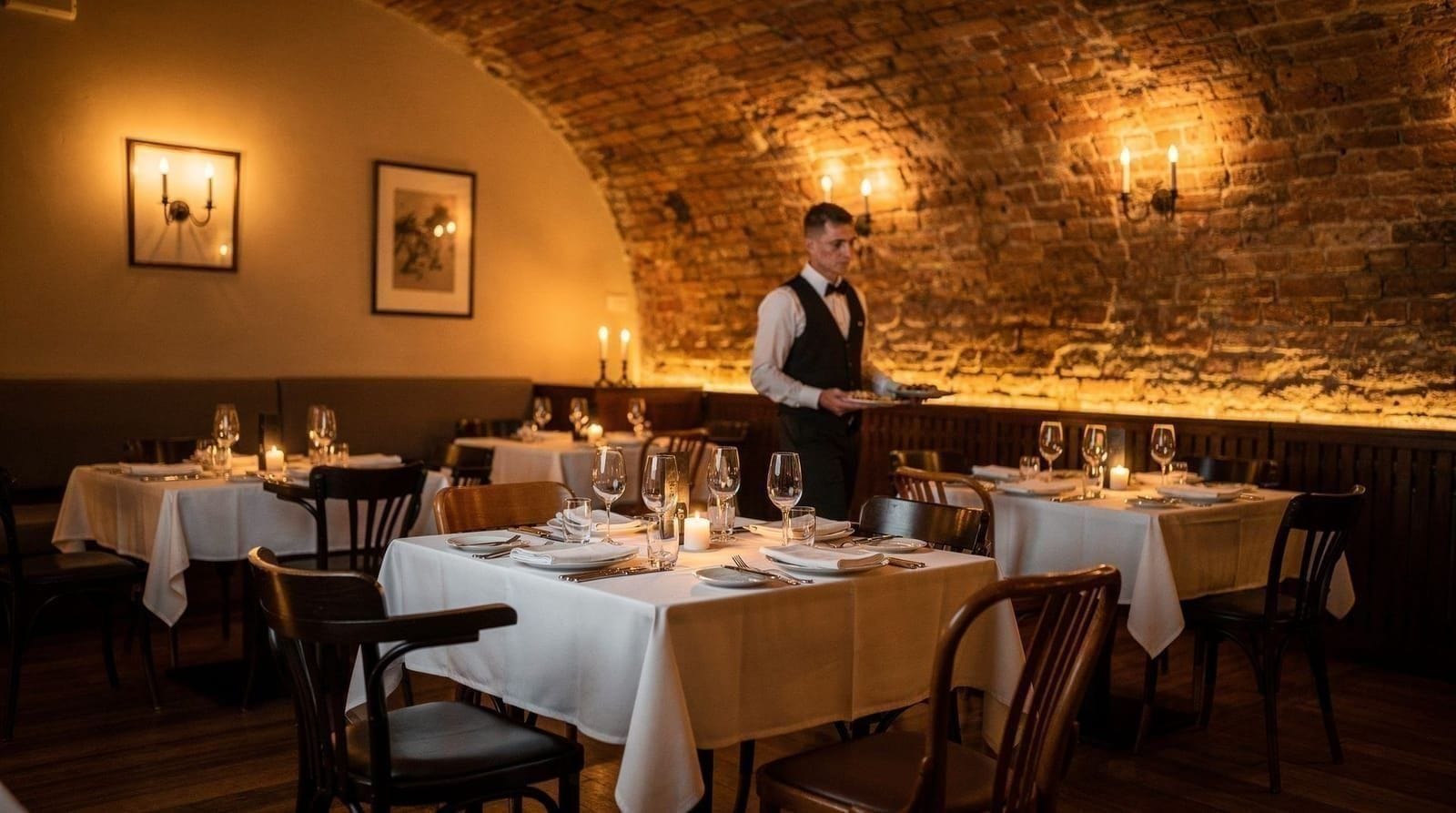
Lokys (The Bear), Stiklių g. 8: The most famous traditional Lithuanian restaurant in Vilnius, operating since 1972 in a cellar that predates it by centuries. More expensive than the above (cepelinai €12-14), more atmospheric, and the game and wild mushroom menu extends well beyond the usual tourist Lithuanian food. Reservations recommended for dinner.
Bernelių Užeiga, Gedimino pr. 8: Long-established, reliable, good for both cepelinai and other Lithuanian standards like šaltibarščiai (cold beetroot soup). Mid-range pricing, friendly service, not particularly exciting decor.
Restaurants compared
| Restaurant | Price (2 cepelinai) | Style |
|---|---|---|
| Forto Dvaras | €5-6 | Canteen, queue-and-pay, no atmosphere |
| Etno Dvaras | €8-10 | Traditional Old Town, reliable, textbook version |
| Bernelių Užeiga | Mid-range | Long-established, friendly, unremarkable decor |
| Lokys | €12-14 | Cellar restaurant since 1972, most atmospheric |
For a fuller list of where to eat generally in the city, the best restaurants in Vilnius guide covers ground beyond just cepelinai.
What else to order at the same meal
The classic pairing is Lithuanian dark bread — dense, slightly sour rye bread, often with butter. Most traditional restaurants bring it automatically or it’s €1-2 for a basket. Don’t skip it.
Šaltibarščiai (cold pink beetroot soup with cucumber, dill, and a hard-boiled egg) is an excellent starter, particularly in summer when it’s properly chilled. It looks alarming (very pink) and tastes of summer.
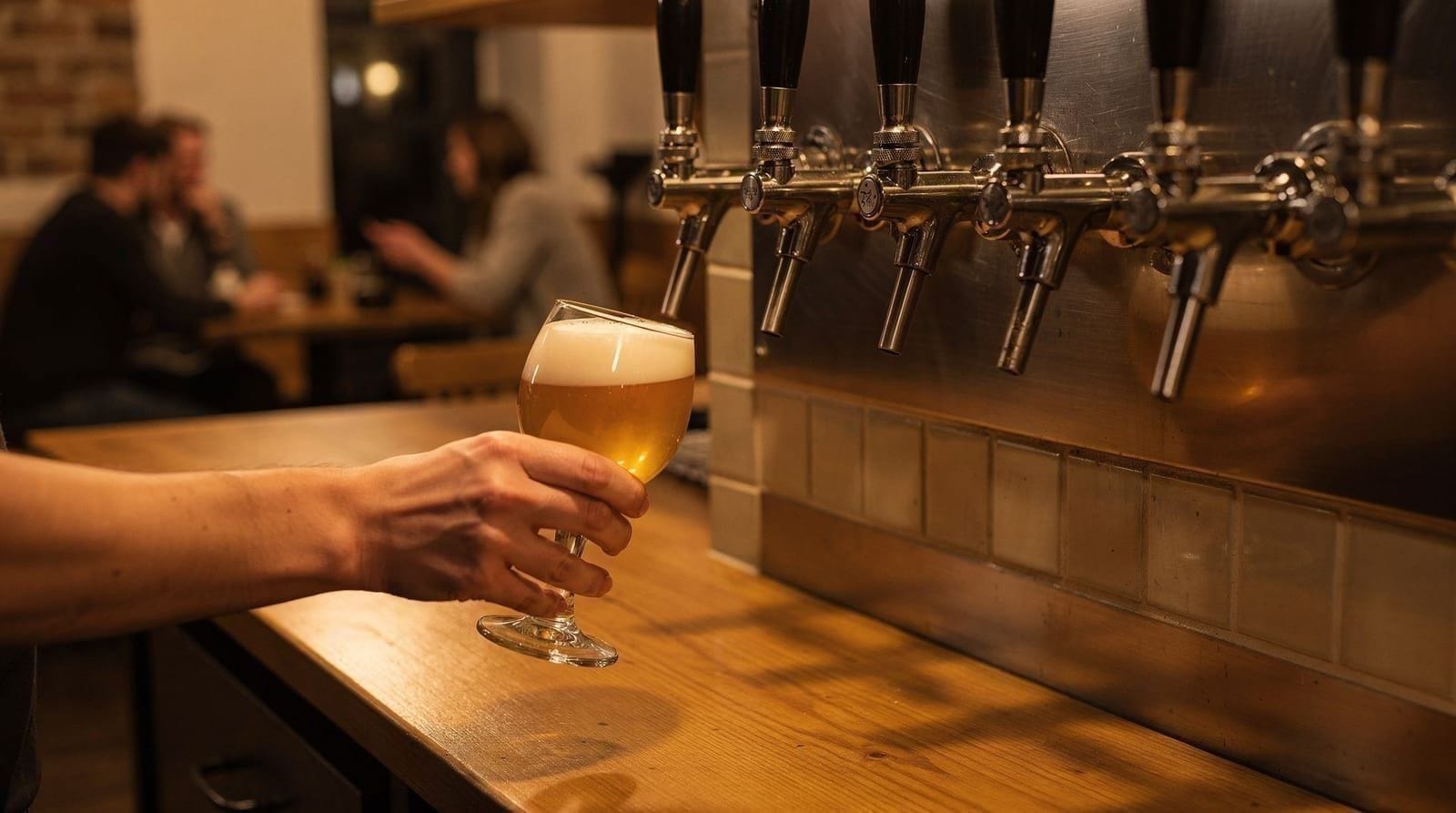
For drinks: Lithuanian beer (Švyturys, Utenos, or Kalnapilis are the main labels) or kvass (a lightly fermented bread drink, non-alcoholic, that pairs well with heavy food). The craft beer guide has more if you’re interested in the better end of the beer spectrum.
A three-hour Vilnius food tasting tour that includes cepelinai alongside other Lithuanian dishes you might not find on your ownThe calorie logistics
Cepelinai will knock you out for a couple of hours. This is normal and expected. Lithuanians traditionally eat them for lunch, not dinner, which is practical — you need the afternoon to walk it off. If you’re planning a museum visit, do it before lunch, not after.
A full serving of two cepelinai with sour cream and bacon is probably 900-1200 calories. This is the dish’s primary characteristic after its flavour. Order one if you’re uncertain; upgrade to two if you’re genuinely hungry.
Cepelinai outside Vilnius
Every region of Lithuania has cepelinai, with variations: Žemaitija (Samogitia, in the northwest) is known for a flatter, wider variant called žemaičių blynai that’s fried rather than boiled. Aukštaitija in the northeast has its own potato dumpling traditions. In Trakai, the Karaim community eats kibinai (small baked pastries with meat or vegetables) — not cepelinai, but equally worth knowing about.
For a broader look at Lithuanian food culture, the food guide covers the full picture, from cepelinai to the šakotis (a spit cake that looks like a tree) and the fermenting traditions around kefir and sauerkraut.
Vegetarian and dairy-free options
The curd-filled cepelinai is the standard vegetarian version, but confirm the sauce doesn’t contain meat before ordering — some kitchens add meat to the sour cream topping by default. Fully vegan cepelinai are difficult to find at traditional restaurants; some newer spots in Vilnius offer them, but it’s not a traditional category.
The food and drink guide goes into more detail on the full range of Lithuanian dishes and where they appear in Vilnius.
Cepelinai on a budget
You don’t need the cellar-restaurant experience to eat cepelinai well. Forto Dvaras and the market-hall canteens serve a genuinely good version for a third of Lokys’s prices, and the cheap eats in Vilnius guide covers the wider canteen and market landscape if cepelinai is just one stop on a budget food day. For accommodation and transport to go with a budget food plan, the Vilnius on a budget guide has the fuller picture.
Traditional Lithuanian cooking class — learn to make cepelinai yourself, not just eat themFrequently asked questions about cepelinai
How do you pronounce cepelinai?
Approximate English pronunciation: “tse-pe-LEE-nai”. The stress is on the third syllable. In Lithuanian, the c is always pronounced “ts” and the ai at the end is like “eye”.
Are cepelinai only available in restaurants?
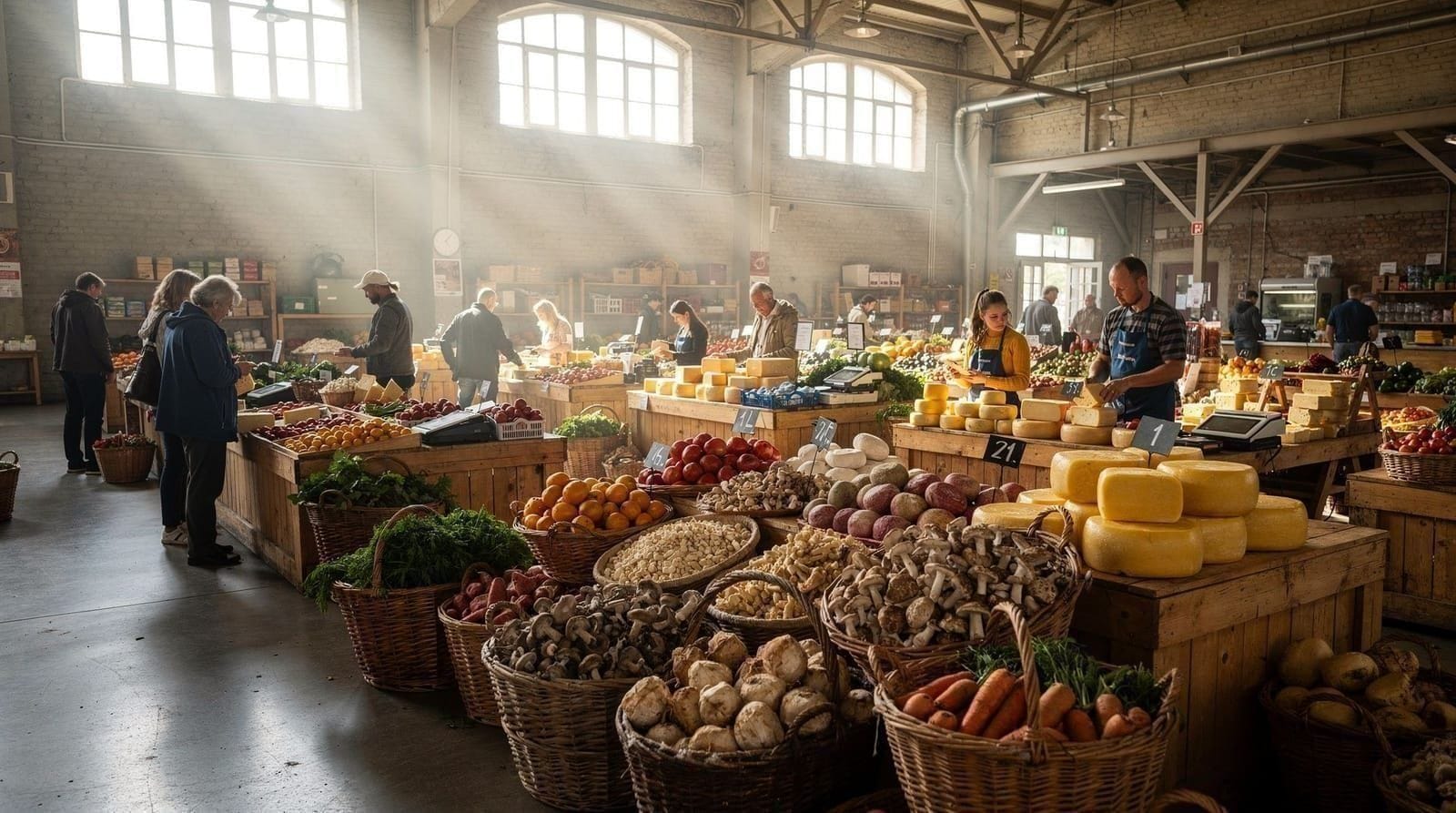
No. They’re also sold at traditional market halls (Hales turgus, Kalvarijos turgus in Vilnius) as takeaway food, wrapped in paper. Market-stall cepelinai are usually slightly smaller and cost €2-4 each. Quality varies.
Can I make cepelinai at home?
Yes — the recipe is widely available and the ingredients are standard. The challenge is the potato grating: you need to remove excess liquid from the raw potato by squeezing it in a cloth, which is more laborious than it sounds. The cooking time is around 25-30 minutes in simmering (not boiling) water. They don’t reheat particularly well, so cook them fresh.
How heavy are cepelinai?
Each dumpling weighs approximately 300-400g. A serving of two is 600-800g of food before the sour cream and bacon topping. This is the primary thing to know before ordering.
Is there a good time of year to eat cepelinai?
They’re available year-round, but feel particularly appropriate in autumn and winter when you want something warming and substantial. In summer, šaltibarščiai (cold beetroot soup) is a lighter alternative starting point for Lithuanian food.
Are cepelinai gluten-free?
No — the potato mixture itself is gluten-free, but most kitchens don’t guarantee a gluten-free preparation environment, and the accompanying rye bread contains gluten. Ask directly if this matters for you.
What’s the difference between cepelinai and the Trakai kibinai?
Cepelinai are large boiled potato dumplings; kibinai are small baked pastries from the Karaim community in Trakai, with a wheat-flour crust rather than a potato one. Both are Lithuanian, but they’re different dishes with different origins — worth trying both rather than assuming one substitutes for the other.