Best time to visit Vilnius
Vilnius: Vibrant self guided audio walking tour
When is the best time to visit Vilnius?
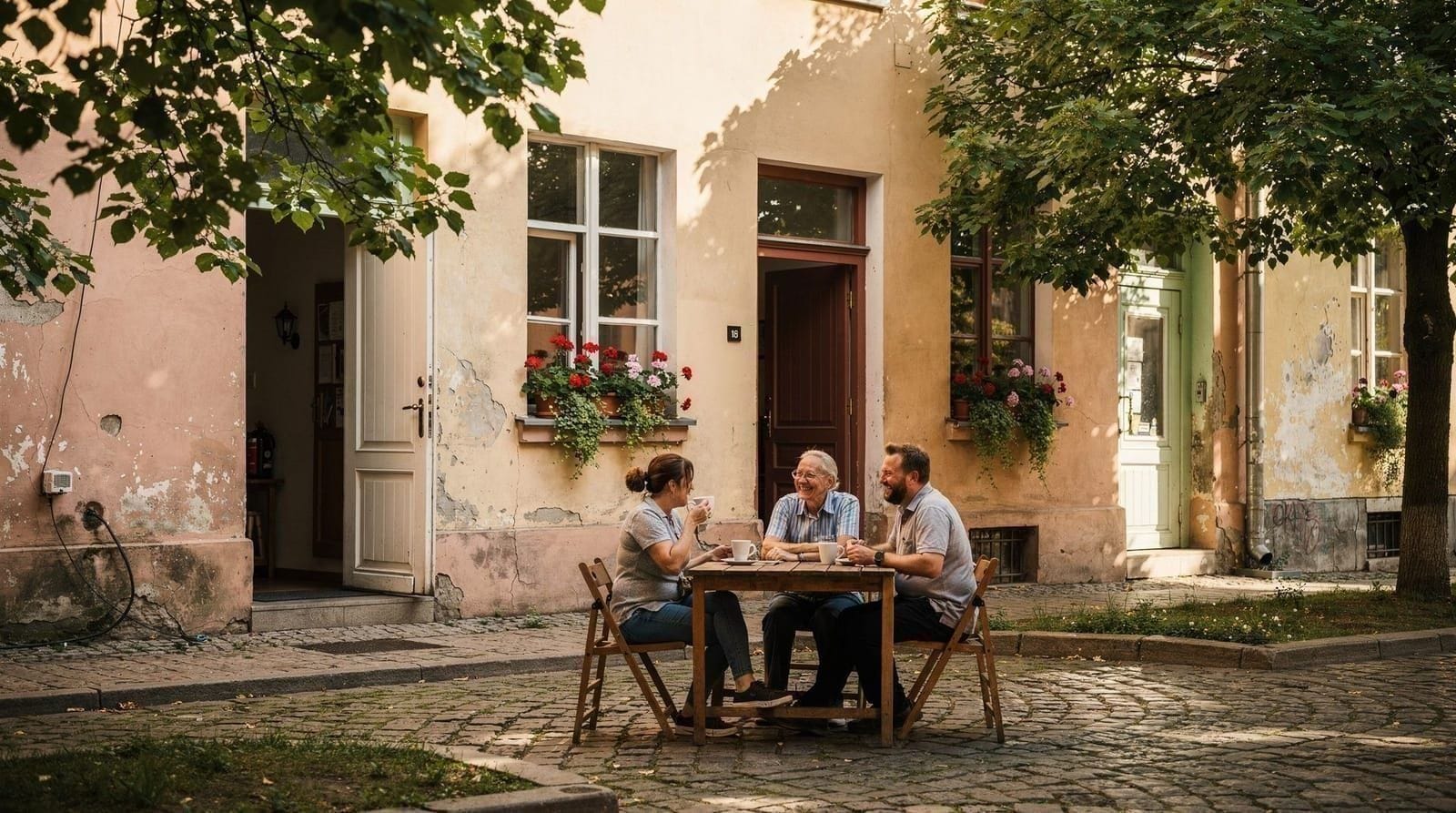
May and September are the sweet spot — mild temperatures (15-20°C), fewer crowds than summer, lower prices, and the city fully open. Summer (June–August) is warmest and most festive but peak-season busy. December has the Christmas market magic despite short days.
The best time to visit Vilnius is May or September. Temperatures sit at a comfortable 15-20°C, the Old Town is fully alive without being swamped, and you will pay meaningfully less than in high summer. That said, every season has a genuine case — and one or two real pitfalls to know in advance.
| Best overall | May or September |
| Warmest month | July, around 22-25°C |
| Coldest month | January, around -2 to -6°C |
| Festival season | Kaziukas (March), Joninės (24 June), Christmas market (late Nov-early Jan) |
| Book ahead | 4-8 weeks for summer Old Town stays; 1-2 weeks for shoulder months |
A month-by-month breakdown
January–February: honest winter
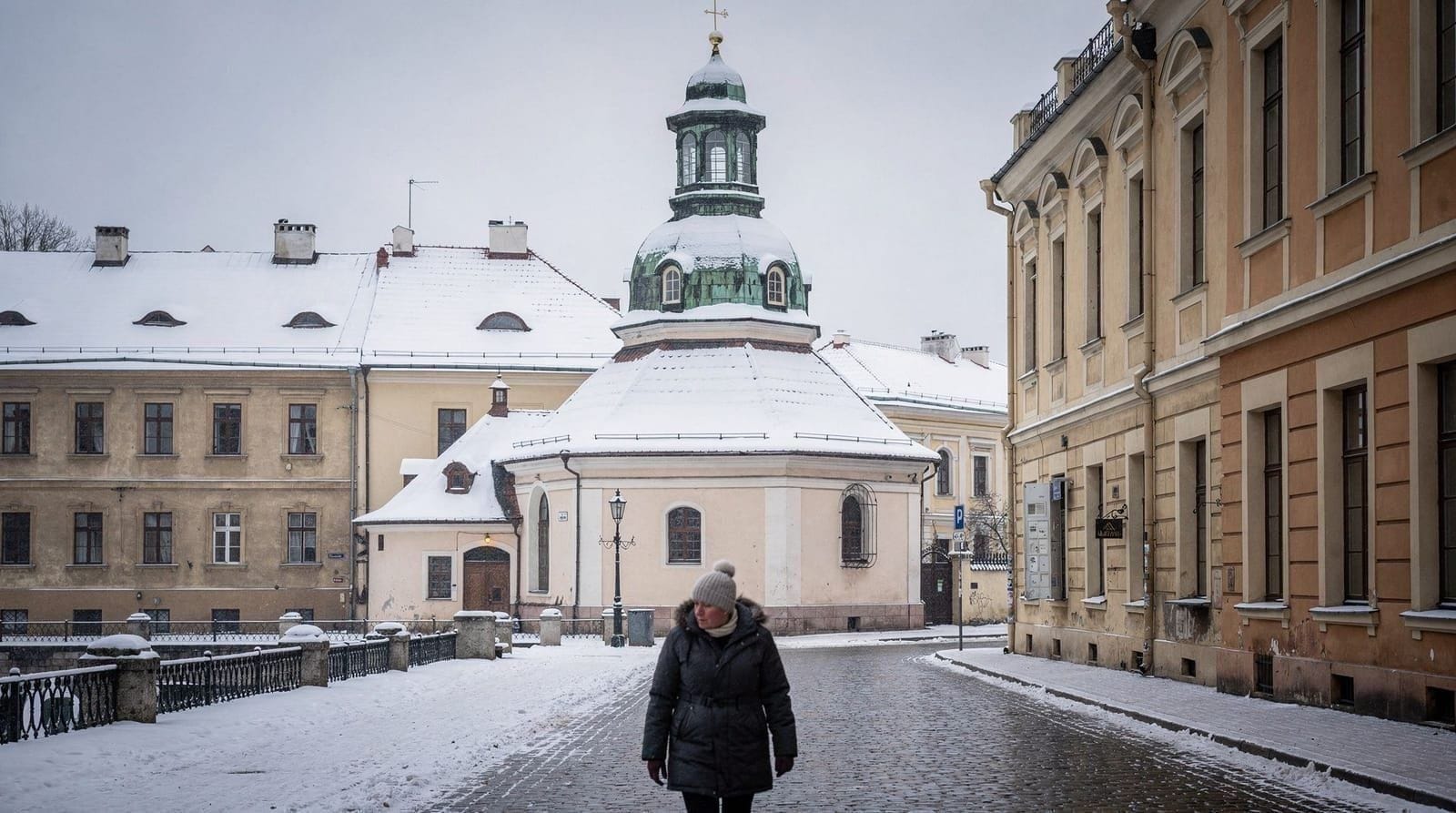
Cold (average -2 to -6°C), short days (seven to eight hours of light), and most of the Christmas decoration is down. The city is authentically quiet — locals at their cafes, Stikliai and Literatai streets calm, museum queues non-existent. If you want a city break without any tourist pressure and you don’t mind wearing your heaviest coat, this works. Hotel rates hit annual lows. The main draw is the Vilnius Jazz Festival in late October continuing into the winter music calendar.
Downsides: Trakai can be beautiful under snow but the lake-district day trips are limited. The Hill of Crosses and Curonian Spit are technically accessible but the journey is long and cold for limited reward.
March: shoulder with a highlight
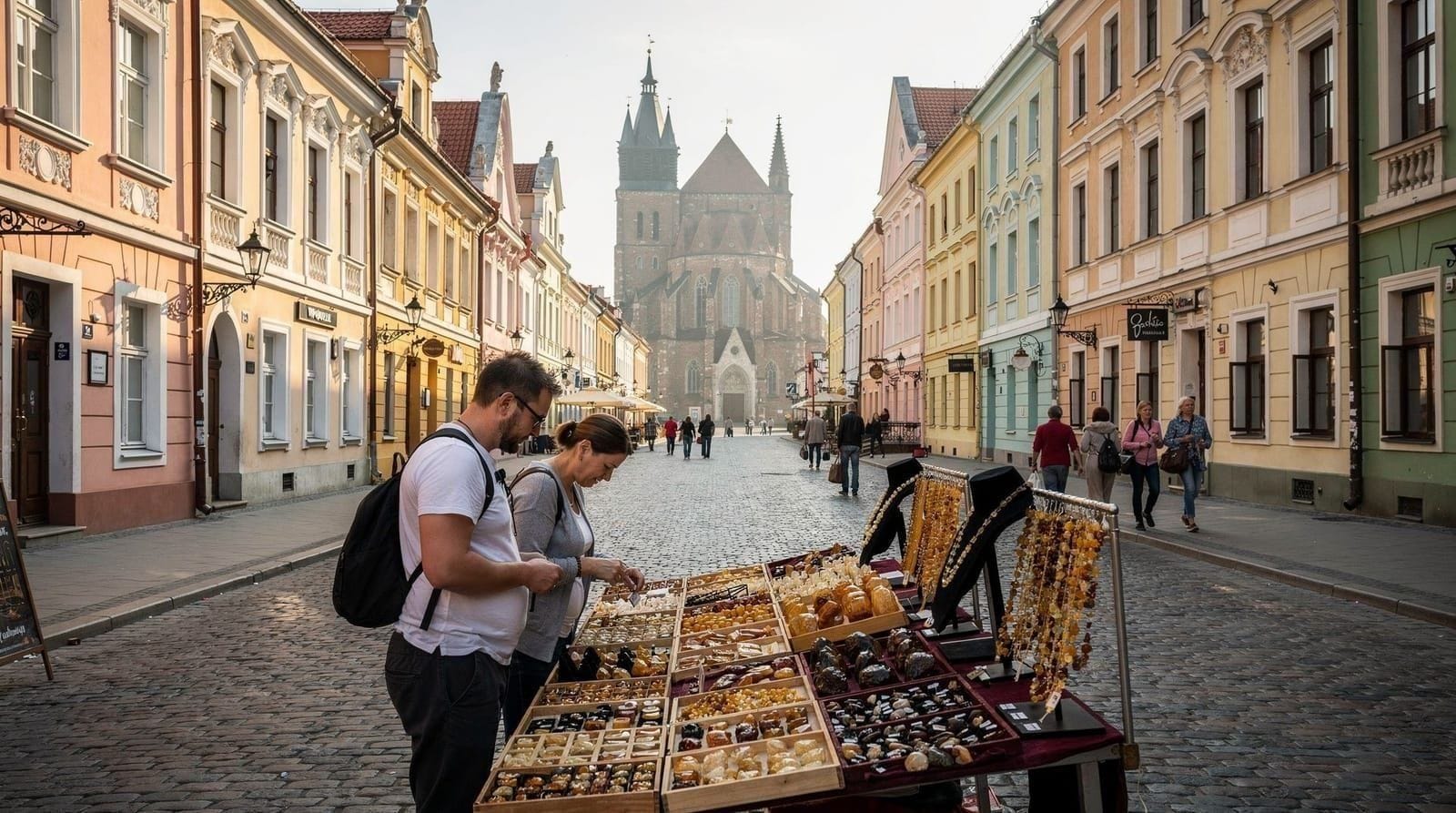
March starts cold but the Kaziukas Fair — held on the first weekend, St Casimir’s Day — is a genuine reason to visit. Craftspeople from across Lithuania and the Baltics fill the Old Town streets with palm branches (verbos), ceramics, textiles and amber. It is one of the most authentic folk events in the Baltics and not yet well-known internationally. Outside the fair weekend, March is quiet and often muddy.
April: awakening
Temperatures climb to 8-12°C. The Old Town emerges from winter. Easter is celebrated with markets around Cathedral Square. Fewer crowds than May but the parks start greening up. A good option for budget-conscious travellers who want spring without the price bump.
May: one of the two best months
This is the first month that feels fully alive outdoors. Average 15-19°C, ~16 hours of light, linden trees not yet fully leafed. The Old Town, Užupis, and parks like Vingis and Verkiai are at their most pleasant. Prices are still below peak. Day trips to Trakai, Kernavė and Paneriai are excellent — no heat, long light. Accommodation is easier to book than July.
June–August: peak season
Joninės (Midsummer, 24 June) is the most atmospheric local festival — bonfires, folk singing, garlands of flowers. The Street Music Day (usually first weekend of May, sometimes June) fills the Old Town with impromptu performances. July averages 22-25°C and is Vilnius at its most European-summer. Ballooning, kayaking on the Neris and Verkiai Park are all available. Trakai fills with day-trippers; book tours in advance.
The downside: hotel prices peak, popular Old Town hostels and boutique hotels book out fast, and queue times at Gediminas Tower double. Budget travellers should look at areas around Žvėrynas and Užupis for accommodation, slightly removed from the central tourist zone.
Vilnius: City highlights walking tourSeptember: the other sweet spot
September is arguably superior to May if you dislike rain. Warm days (17-22°C), dramatically lower crowds than August, and the new academic year brings the city’s student population back — giving Vilnius an energetic, local feel. Art festivals (like Vilnius Contemporary Art Fair and various gallery openings) cluster in September. Foliage starts turning bronze by late September in Bernardine Garden and Vingis Park — one of the most photogenic moments.
October: golden but cooling
October brings the most vivid autumn colours — Verkiai Regional Park, Pavilniai Park and the Neris riverbanks turn gold and amber. Temperatures drop from 12°C early month to 6°C by the end. Expect more grey days and rain. A good literary month: book fairs, film festivals, and local cultural programming intensify.
November: quiet grey
Vilnius in November can be bleak — cold, dark, and the Christmas market has not yet opened (usually mid-to-late November). Not ideal unless you’re here for specific events or a deliberate off-peak escape.
December: Christmas market magic
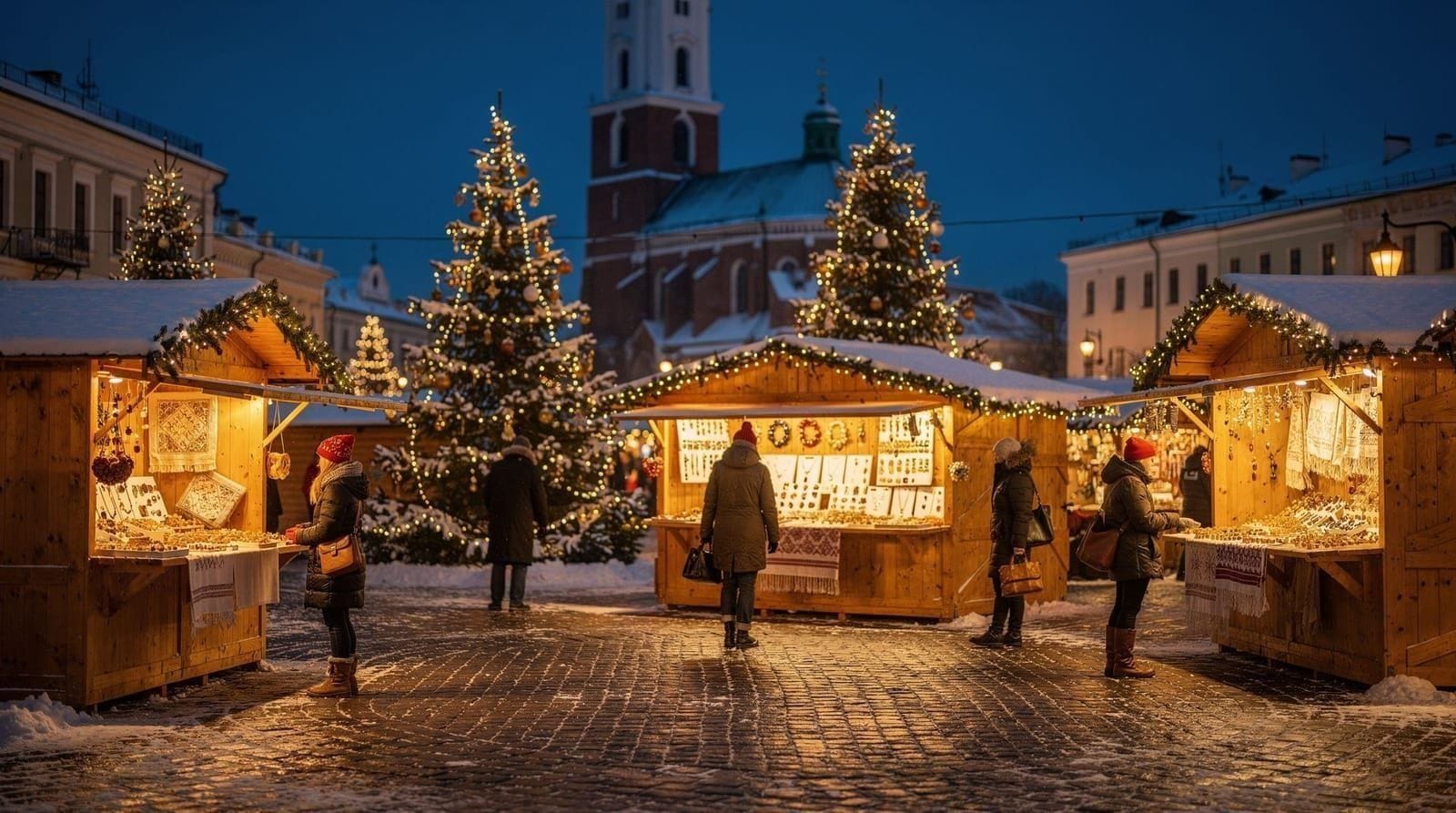
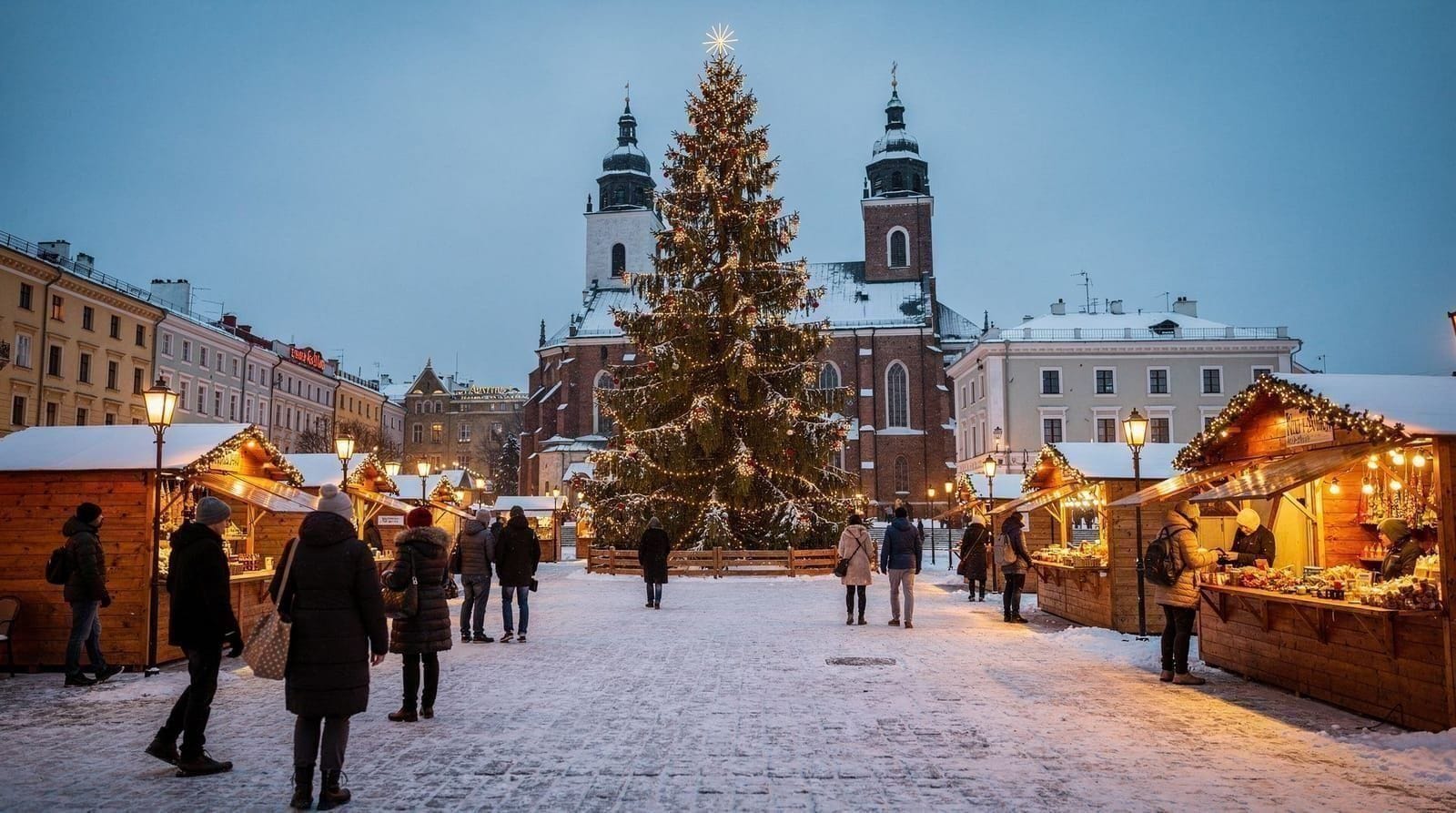
Cathedral Square hosts the Vilnius Christmas Market from late November to early January. The tree in the square, the amber ornaments and the mulled wine (siltas medus) make this one of the more authentic markets in Northern Europe — not as commercialised as Riga or Tallinn’s, and with genuinely local craft stalls. Temperatures are -1 to -5°C; pack for cold.
Vilnius: Christmas market holiday traditions tourSummary: what season for what traveller
| Traveller type | Best month(s) |
|---|---|
| First visit, good weather | May or September |
| Budget-focused | April or October |
| Festivals and events | June (Joninės), March (Kaziukas), December (Christmas market) |
| Winter atmosphere | December only |
| Outdoor / day trips | June–August |
| Avoid crowds completely | January–February (off-season) |
Practical notes on booking
- Summer (June–August): Book accommodation 4-8 weeks ahead for popular Old Town properties. Trakai tours and hot-air balloon slots also sell out.
- Christmas market period: Late November to early January is paradoxically a micro-peak — book 3-4 weeks ahead.
- Shoulder months: May, September, October — 1-2 weeks’ advance booking is fine for most accommodation types.
- Deep winter: Walk in off the street in most hotels. Prices are 30-45% below July.
Weather at a glance
| Month | Avg high (°C) | Rain days | Daylight |
|---|---|---|---|
| Jan | -2 | 9 | 7.5 h |
| Mar | 5 | 8 | 11.5 h |
| May | 18 | 10 | 16 h |
| Jul | 24 | 10 | 17 h |
| Sep | 19 | 9 | 13 h |
| Nov | 4 | 12 | 9 h |
| Dec | -1 | 10 | 7 h |
Vilnius is in a continental climate zone — colder winters and warmer summers than maritime Western Europe. Rain is spread fairly evenly across the year, with no single very wet month.
May vs September: which is better for you
Both months hover around the “sweet spot,” but they suit slightly different travellers.
| May | September | |
|---|---|---|
| Temperature | 15-19°C, cooler mornings | 17-22°C, often warmer afternoons |
| Daylight | ~16 hours, long evenings | ~13 hours, earlier sunsets |
| Crowds | Low, building toward summer | Low, easing down from August |
| Vibe | Fresh greenery, parks blooming | Bronze foliage by late month, student energy back |
| Rain risk | Slightly lower | Slightly higher, especially late in the month |
| Best for | Long walking days, parks, ballooning | Photography, food and wine events, quieter Old Town |
If you dislike rain, lean September. If you want the longest days for packing in day trips to Trakai or Kernavė, May’s extra daylight hours make a real difference.
Best season for Vilnius’s day trips
Vilnius’s day-trip destinations don’t all peak at the same time of year, so it’s worth matching the season to the trip.
Trakai and its lakeside castle work in almost any season, but May through September lets you add a boat ride on Lake Galvė to the castle visit — see our Trakai vs Kaunas day trip comparison if you’re choosing between the two.
Kaunas, Lithuania’s second city, is a year-round option since most of its Art Deco Old Town and museums are indoor-friendly, though a warm-weather visit lets you linger longer on Laisvės Alėja.
The Curonian Spit and Klaipėda reward a late spring or summer visit — the dunes and beaches are the whole point, and winter access is limited. Read the Vilnius to Klaipėda and Curonian Spit guide before booking transport.
Druskininkai’s spa towns flip this logic: they’re at their best in the colder months, when a hot pool or sauna after a forest walk feels earned. Our Druskininkai day trip guide covers logistics either way.
The Hill of Crosses, near Šiauliai, is a long day regardless of season, so pick a month with reliable weather (May–September) to make the drive worthwhile — see our Hill of Crosses day trip guide.
Getting oriented once you arrive
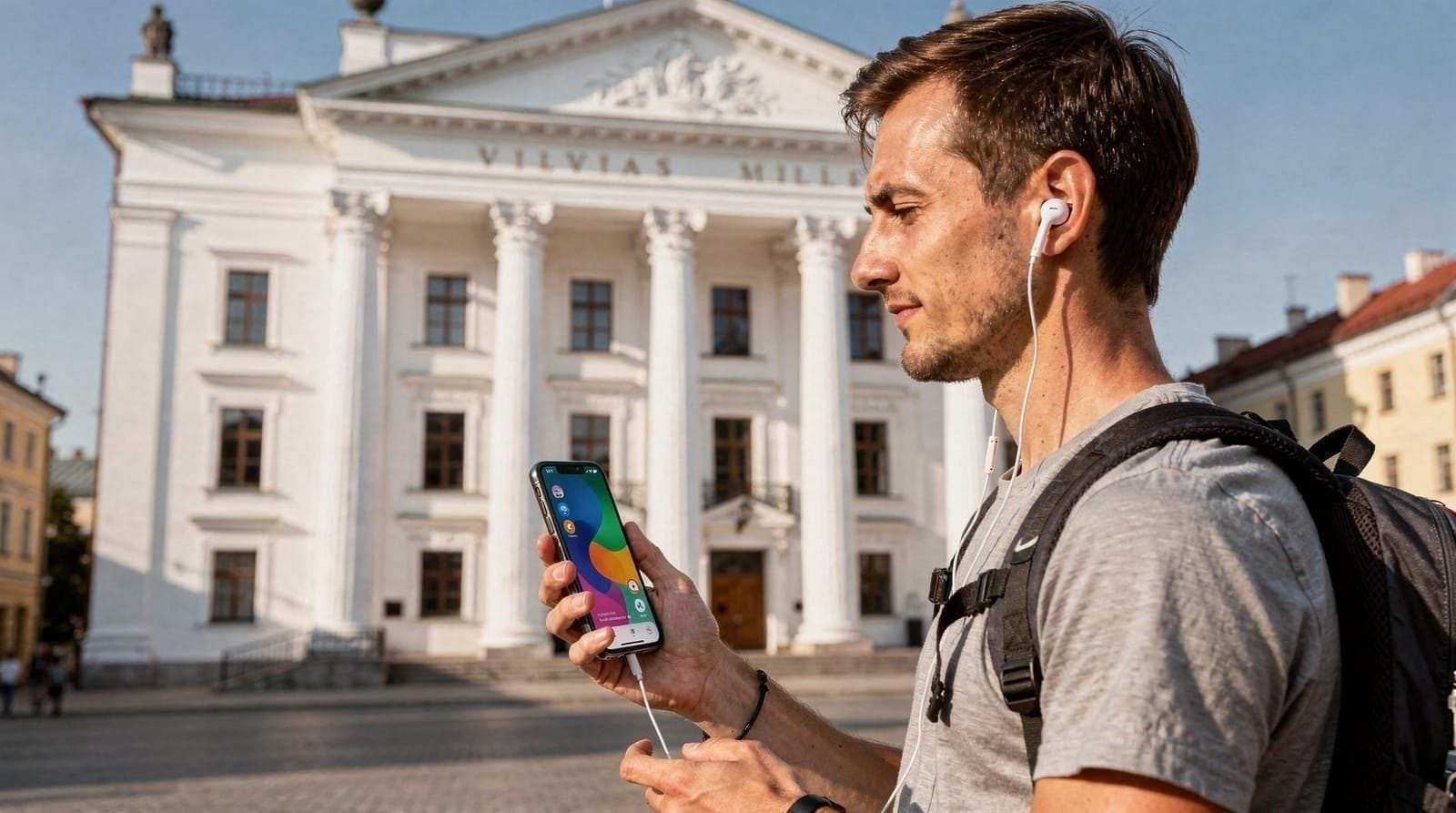
No matter the season, Vilnius rewards slow walking. The Old Town is compact — most major sites are within a 20-minute walk of Cathedral Square. Start with a self-guided audio tour to get your bearings, then orient your days around the season’s strongest draws.
Vilnius: Vibrant self guided audio walking tourFor planning your days once you know when you’re going, see how many days in Vilnius and our Vilnius travel tips for first-time visitors. If you’re visiting with specific day trips in mind, the Vilnius to Trakai guide and getting around Vilnius are useful next reads. For a deeper look at how the two extreme seasons feel on the ground, Vilnius in summer and Vilnius in winter each go into more detail than this overview can.
Frequently asked questions about the best time to visit Vilnius
Does it snow in Vilnius?
Yes — significant snow is common December through February, and occasional light snow falls in November and March. The Old Town under snow is atmospheric, though winter day trips become less practical.
Is summer too hot in Vilnius?
No. Summer highs of 24-26°C are warm but rarely oppressive. The city has plenty of shade (the Old Town’s narrow streets and abundant parks) and is not humid. Heatwaves above 30°C occur occasionally in July but do not persist for weeks as they might further south.
Can I visit Vilnius on a long weekend?
Yes — a 3-night weekend is ideal for the Old Town, Užupis and one day trip (Trakai or Paneriai). See how many days in Vilnius for a detailed breakdown.
Are there mosquitoes in summer?
Yes, particularly in parks and near the rivers (Neris, Vilnelė). Not extreme by Nordic standards but worth noting if you plan to kayak or spend evenings in Verkiai Park. Standard repellent is sufficient.
What should I pack for Vilnius?
A light waterproof jacket is useful year-round. For summer add sunscreen and sunglasses; for winter add thermal layers and waterproof boots. See our Vilnius travel tips for a full packing rundown.
Is it better to visit Vilnius in May or September?
Both are excellent; the choice usually comes down to daylight versus rain risk. May has around 16 hours of light, which helps if you’re packing in day trips, while September has a slightly lower chance of rain and a livelier local feel once students return. Neither is a wrong choice.
Does Vilnius get very crowded?
Not by major European capital standards. Even in peak July-August, the Old Town rarely feels overwhelmed compared to Prague or Riga in summer — the main pressure points are Gediminas Tower’s viewing platform and popular Old Town restaurants without reservations.
Top experiences
Bookable activities with verified prices and instant confirmation on GetYourGuide.