Lithuania travel guide — everything you need to plan your trip
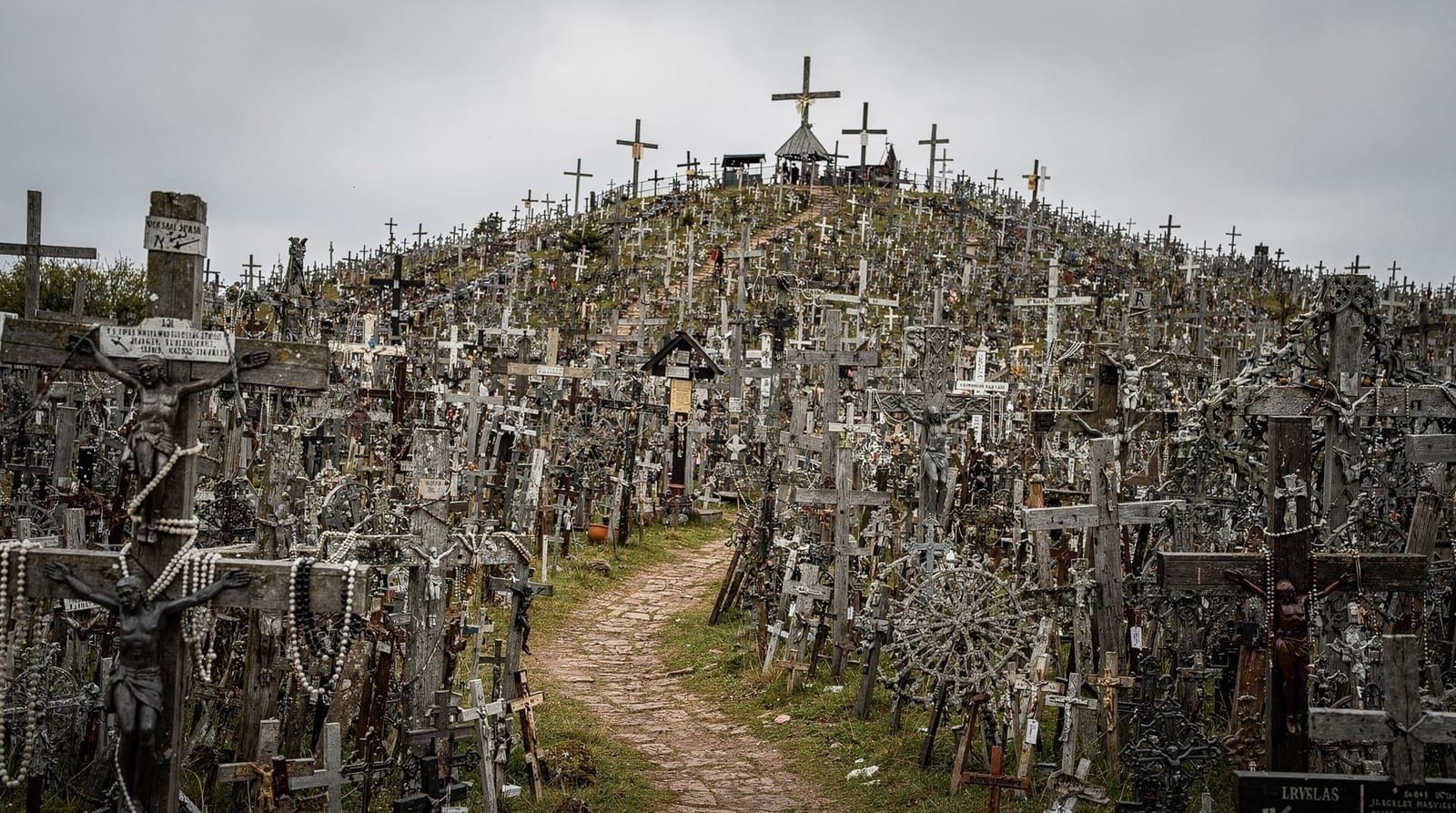
Vilnius: Hill of crosses siauliai full day
Duration: 8 hours
What do you need to know before travelling to Lithuania?
Lithuania is an EU and Schengen member using the euro. EU/EEA citizens enter freely; US, UK and most Western passports need no visa for up to 90 days. English is widely spoken in cities. The country is very safe, good value, and easy to navigate by train and bus. Vilnius is the main entry point.
Lithuania is the most undervisited of the three Baltic states among Western tourists, which makes it simultaneously more rewarding and occasionally more demanding to navigate than Estonia or Latvia. This guide covers the practical essentials for planning a trip.
| Currency | Euro (€) |
| Entry | Visa-free for EU/EEA, US, UK, most Western passports (90 days) |
| Language | Lithuanian; English widely spoken in cities |
| Getting around | Train and bus between main cities; car for rural areas |
| Best time | May–June or September for mild weather and fewer crowds |
| Time needed | 4–5 days for Vilnius plus one day trip; a week for a fuller loop |
Entry requirements and money
Lithuania is an EU and Schengen member, so EU/EEA citizens travel with just a national ID card or passport and face no border checks arriving from other Schengen countries. US, UK, Canadian, Australian and most Western passport holders enter visa-free for stays of up to 90 days within a 180-day period, under the standard Schengen rules. Check your specific nationality’s requirements before booking, as rules can change.
The currency is the euro (€), used since 2015. Cards are accepted almost everywhere in Vilnius and Kaunas, including small cafés and market stalls; carrying some cash is still useful for rural areas, markets like Kaziukas, and smaller towns. ATMs are widely available in cities. See is Lithuania expensive for a fuller cost breakdown if you’re budgeting a trip.
Geography and regions
Lithuania is roughly 65,000 km² — similar in size to Ireland — and is divided into five ethnographic regions, each with a distinct character:
Aukštaitija (Highlands): The northeast, characterised by lake districts, pine forests and the Aukštaitija National Park. Anykščiai is the main tourist town — home to a spectacular treetop walking path, a narrow-gauge steam railway and the Šventoji river valley.
Žemaitija (Samogitia): The northwest — rolling hills, a distinct dialect, and the country’s most pilgrimage-significant site, the Hill of Crosses near Šiauliai. The Žemaitija National Park protects the Plateliai Lake area.
Dzūkija: The south — Lithuania’s largest forest (Dzūkija National Park), the spa town of Druskininkai, and Grūtas Park (a Soviet sculpture park that is equal parts absurd and genuinely historical).
Suvalkija: The southwest — Lithuania’s agricultural heartland. Less visited but home to the Suvalkija open-air ethnographic farmstead museums.
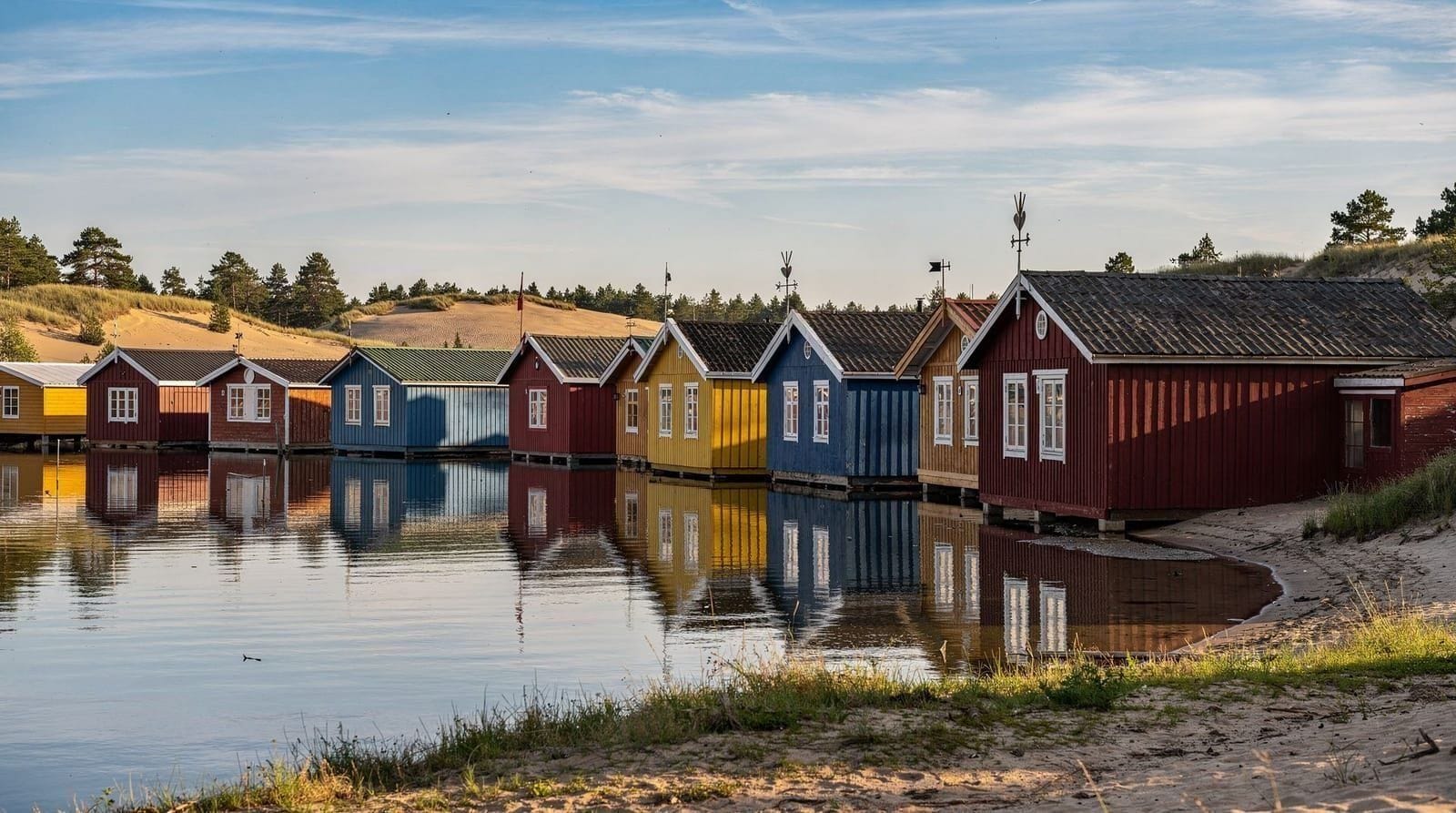
Lithuania Minor (Klaipėda region): The western coast — Klaipėda port city, Palanga beach resort, and the Curonian Spit (Kuršių Nerija), a UNESCO World Heritage site of extraordinary Baltic dune landscape.
Major destinations
Vilnius
The capital (population ~540,000) is the country’s main entry point and the destination covered in most detail across this site. The Old Town is a UNESCO World Heritage Site and the largest baroque Old Town in Northern Europe. See our Vilnius destination guide and how many days in Vilnius for full planning detail.
Trakai
28 km southwest of Vilnius. The island castle on Lake Galvė is Lithuania’s most recognisable landmark. The surrounding lake district is excellent for kayaking, cycling and ballooning. Half-day from Vilnius by train or bus. See the Trakai guide.
Kaunas
100 km west of Vilnius (1 hour by train). Lithuania’s second city (population ~270,000) has an impressive interwar modernist Old Town — one of the largest Art Deco and Functionalist concentrations in Eastern Europe — and the Ninth Fort, a chilling memorial to the Holocaust in Lithuania. Well worth a full day. See Vilnius to Kaunas and the Kaunas guide.
Curonian Spit (Kuršių Nerija)
310 km from Vilnius (~3.5 hours). A UNESCO-listed sand spit separating the Baltic Sea from the Curonian Lagoon — 97 km long, 0.4-3.8 km wide, with sand dunes up to 60 m high. Nida is the main village; Parnidis Dune at the southern end of the accessible spit is the classic viewpoint. Best June–August. See Vilnius to Klaipėda and Curonian Spit.
Nida: Vilnius curonian spit all day tour Vilnius: Vr movie i am lithuaniaHill of Crosses (Kryžių kalnas)
210 km north of Vilnius, near Šiauliai. A mound covered in hundreds of thousands of crosses — the number is estimated at 100,000+, though no one counts — representing a Catholic pilgrimage tradition that survived Soviet bulldozing and came back stronger each time. One of the strangest and most moving sites in Europe. Best visited as part of an organised day trip from Vilnius or by car. See the Hill of Crosses guide.
Vilnius: Hill of crosses siauliai full dayDruskininkai
130 km south of Vilnius (~1.5 hours by bus). A spa town on the Nemunas river, popular with Lithuanian families for thermal treatments, a snow arena (indoor ski slope), and the waterpark at Grand Spa Lietuva. Grūtas Park — a sculpture park of Soviet-era statues removed from public spaces after independence — is 8 km away and is unlike anything else in the Baltics. See Druskininkai.
Getting into Lithuania
By air
Vilnius Airport (VNO) is the main international hub — served by Ryanair (Dublin, London, Barcelona, Madrid, Warsaw, Brussels, many more), Wizz Air (London, Birmingham, Vienna, Rome), airBaltic (Riga connections), LOT Polish (Warsaw), Finnair (Helsinki), and several others. Regular connections to 50+ European cities.
Kaunas Airport (KUN) is also served by Ryanair and Wizz Air — useful if you plan to explore central Lithuania or want a different entry point. The airport is 15 km from Kaunas city centre; transfer to Vilnius takes 1 hour by bus.
By train from neighbouring countries
Train connections are limited by Baltic geography:
- Vilnius–Warsaw: roughly 9-10 hours by international rail (via Białystok); several trains daily
- Vilnius–Minsk–Moscow: theoretically possible but Belarus transit is not recommended for most Western travellers given current political situation
- Rail Baltica: the planned high-speed rail connecting Warsaw–Kaunas–Riga–Tallinn is under construction; partial opening (Kaunas to Riga section) expected 2026-2028
By bus
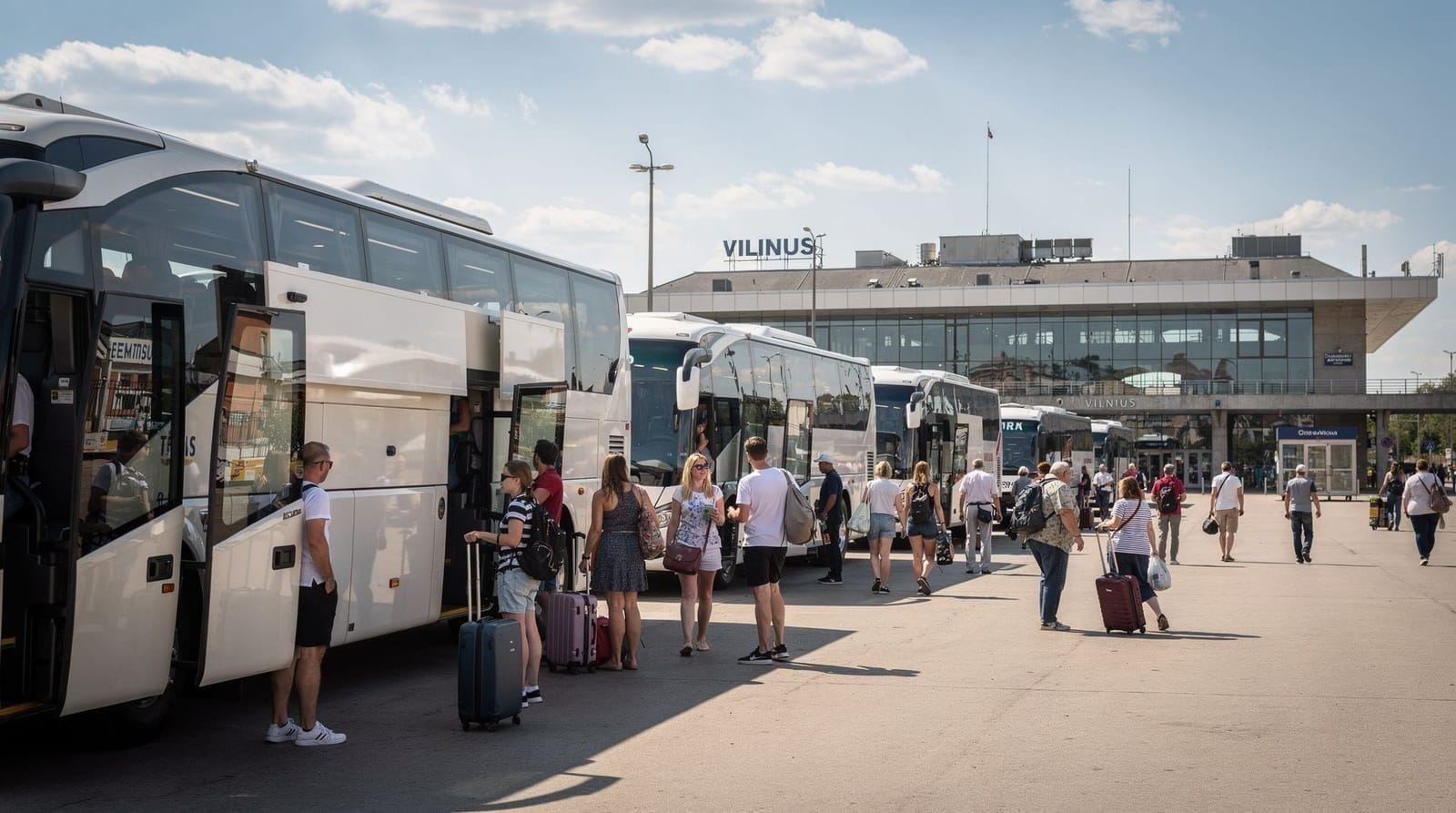
Ecolines, Flixbus and Eurolines operate coach services connecting Vilnius to Warsaw (7-9 hours, from €20), Riga (4-5 hours, from €10), Tallinn (9-11 hours, from €15), Minsk, and major cities in Poland and Germany. Coach services are well-maintained and reliable.
By car
Lithuania has no internal Schengen border controls with Latvia, Poland and the EU section of the Russian Kaliningrad exclave. Road crossings from Poland (Suwałki gap route) and Latvia are straightforward. Note: driving into or through Belarus is not recommended.
Getting around Lithuania
Train
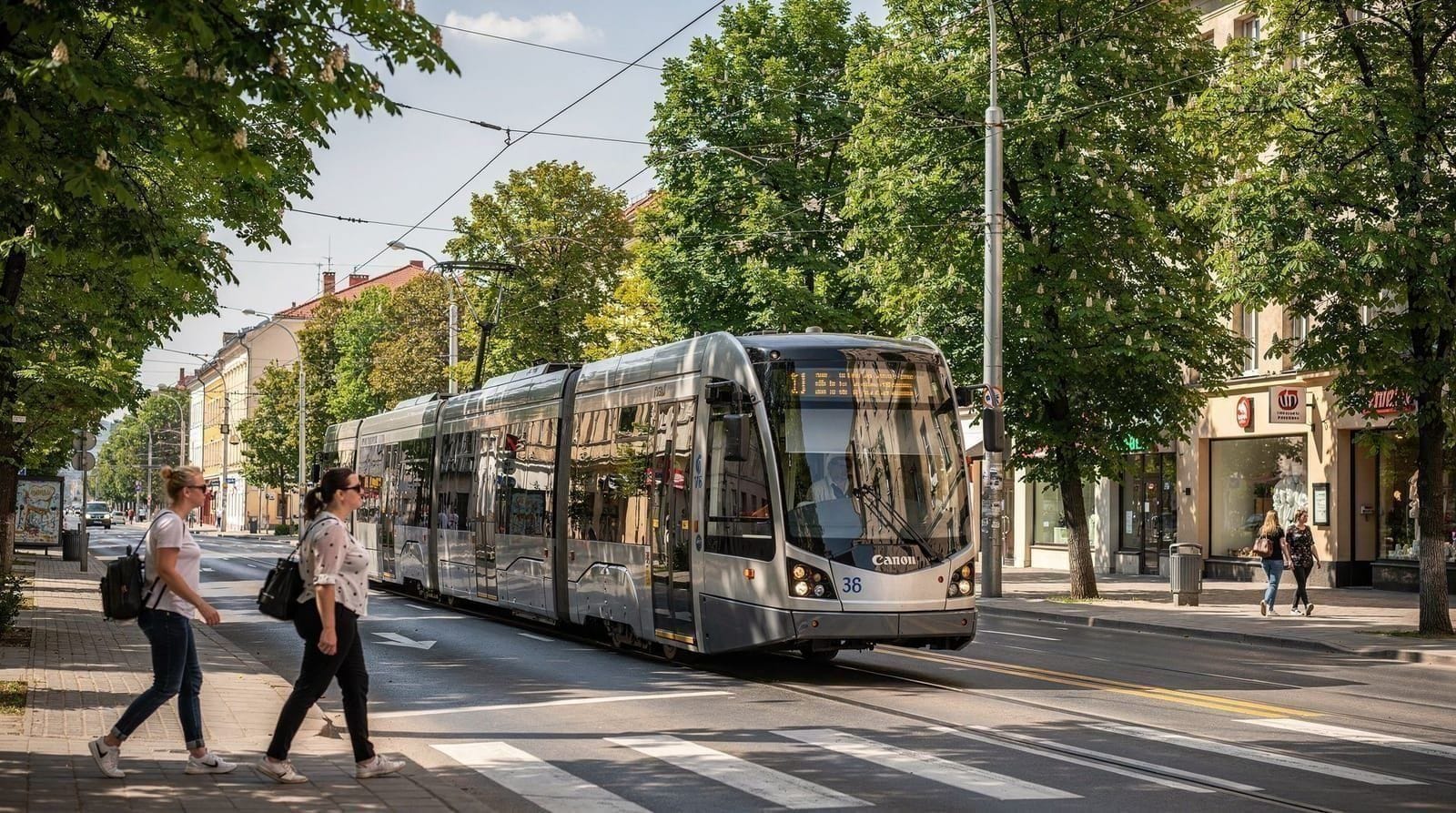
Lithuanian Railway (LTG Link) operates a network that covers the main city pairs well: Vilnius–Kaunas (1 hour, trains every 30-60 min, €5-9), Vilnius–Paneriai (15 min, €1), Vilnius–Trakai (30 min, €1.50-2), Kaunas–Klaipėda (2 hours, direct). Intercity buses fill gaps in the rail network.
See trains and buses in Lithuania for full coverage.
Bus
Toks, Kautra, and Eurolines Lithuania operate intercity routes. The main intercity bus terminal in Vilnius (Autobusų stotis, adjacent to the train station) connects to all major Lithuanian cities including direct services to Druskininkai (~1.5 h) and Šiauliai (~3 h).
Car rental
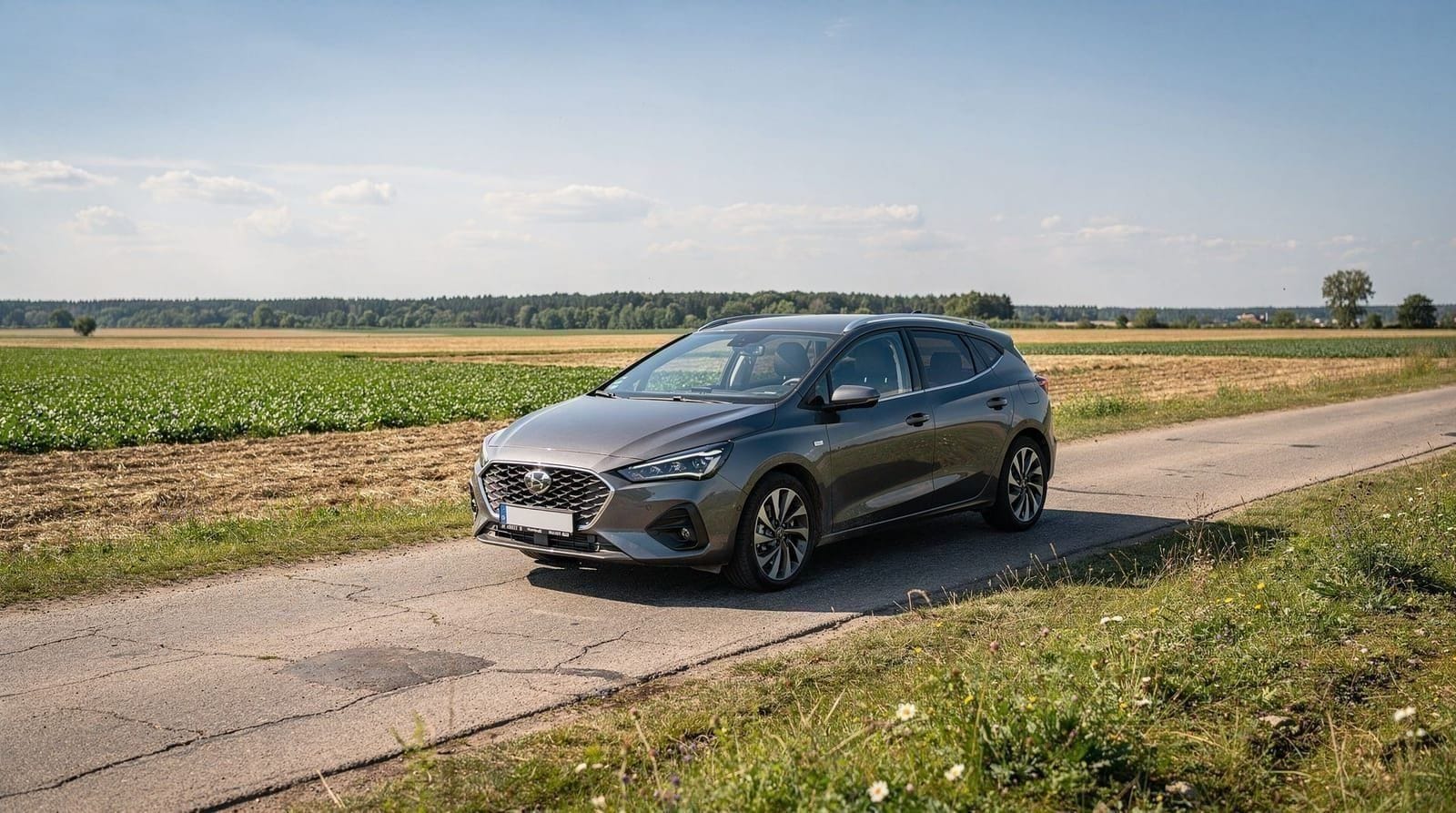
Essential for reaching Druskininkai comfortably, Aukštaitija National Park, the Hill of Crosses without a tour, and smaller rural destinations. Car rental at Vilnius Airport from €30-50/day (economy). Lithuania drives on the right. Roads are generally good quality on main routes. See car rental in Lithuania.
Vilnius: Kaunas rumsiskes pazaislis full dayPlanning your first trip
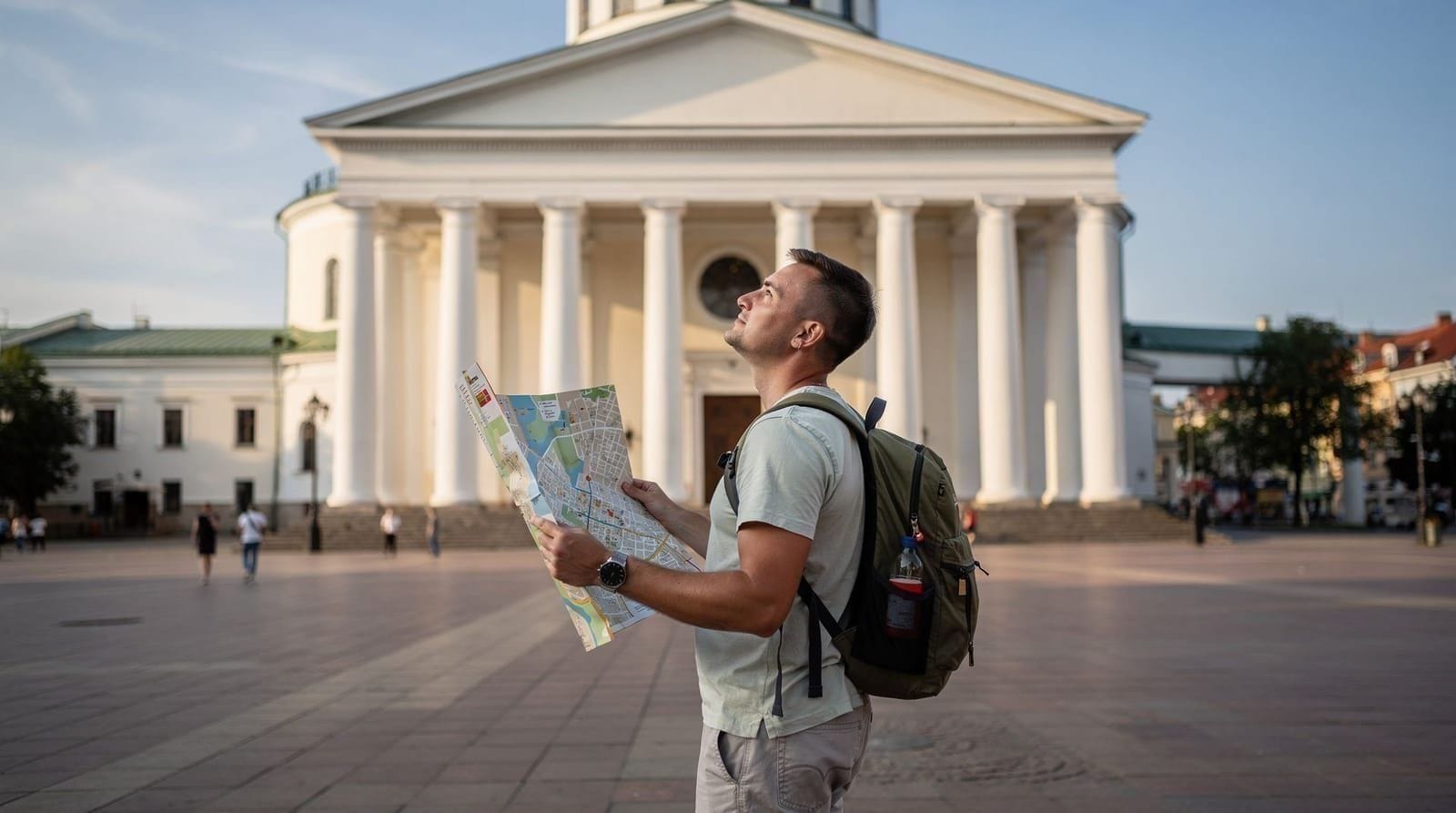
Most visitors base themselves in Vilnius and take day trips outward, which works well given the compact geography — nowhere covered above is more than 3.5 hours away by car or public transport. If this is your first visit, the Vilnius travel tips for first-time visitors guide covers city-specific practicalities (getting around, where to stay, what surprises first-timers), and the Vilnius on a budget guide is useful if cost is a factor — Lithuania remains one of the better-value EU destinations even in peak season.
Within the city itself, getting around Vilnius covers public transport, walking distances and taxis — the Old Town is compact enough that most visitors barely need transport within it, reserving buses and trains for day trips.
Practical country information
Opening hours
Standard business hours are Monday–Friday 09:00–18:00. Shops often open Saturday 10:00–17:00. Many shops and restaurants open Sunday 11:00–16:00. Museums are almost universally closed on Mondays — factor this into multi-day planning.
Tipping culture
Not mandatory. 10% in restaurants is considered generous; rounding up the bill is common. No tipping expectation in bars or cafes.
Safety
Lithuania is consistently rated among the safer EU countries. Violent crime against tourists is rare. Petty theft exists in Old Town tourist areas (pickpocketing) but is not widespread. Solo female travellers consistently report feeling safe in Vilnius and Kaunas.
Healthcare
Public hospitals are available for emergencies; non-EU visitors pay for services. Private clinics (Northway Medical Centre in Vilnius, for example) offer reliable English-language care at reasonable rates — a GP visit costs €30-60. Travel insurance with medical coverage is strongly recommended.
Mobile data and connectivity
Fast 4G/5G coverage in all cities and major roads. Prepaid SIMs from Tele2, Bite or Omnitel available at the airport and in supermarkets — €5-10/month for a data-heavy plan. EU roaming applies for EU citizens with a home plan.
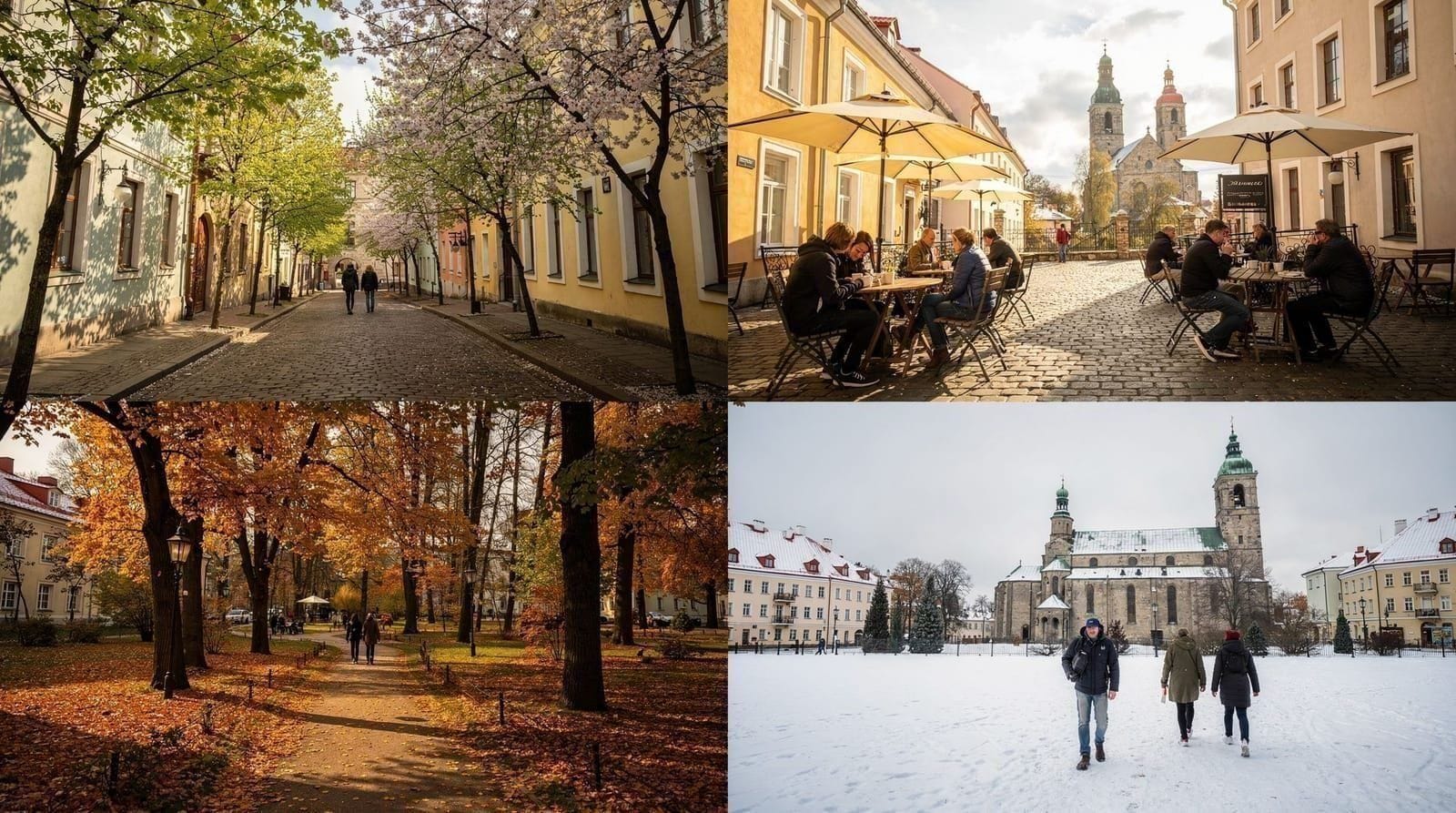
Seasonality summary
| Season | Best for | Avoid if |
|---|---|---|
| May–Jun | Everything, mild weather | N/A |
| Jul–Aug | Curonian Spit, outdoor activities | Budget travel (peak prices) |
| Sep–Oct | Autumn colours, fewer crowds | Curonian Spit (businesses closing) |
| Dec | Christmas markets, winter atmosphere | Outdoor sightseeing, coast |
| Jan–Feb | Budget travel, no crowds | Outdoor comfort |
| Mar (1st weekend) | Kaziukas Fair, Vilnius | Deep winter weather |
See best time to visit Vilnius for a month-by-month breakdown.
Frequently asked questions about travelling in Lithuania
Is Lithuania part of NATO and the EU?
Yes to both. Lithuania joined NATO in 2004 and the EU in 2004. It uses the euro (since 2015) and is in the Schengen Area. This is relevant for travellers given Lithuania’s geographic position between Russia (Kaliningrad) and Belarus.
Is it safe to travel near the border with Russia or Belarus?
The Kaliningrad exclave is Russian territory adjacent to southwest Lithuania. The Lithuanian–Polish border runs through the Suwałki gap between Kaliningrad and Belarus. Travel within Lithuania, including near the borders, is normal and safe. Tourism to Russia or Belarus is not recommended for most Western citizens due to current political situations.
What is the food like in Lithuania?
Traditional Lithuanian cuisine is hearty and grain-and-dairy heavy. Cepelinai (potato dumplings), šaltibarščiai (cold beetroot soup, a summer dish), dark rye bread, various smoked products, and beer are the staples. Vilnius has a good modern restaurant scene. Kaunas has a smaller but worthwhile food scene. Druskininkai is more limited.
Is Lithuania suitable for a road trip?
Yes — Lithuania is compact enough (max 3-4 hour drive from Vilnius to the coast) for an excellent week-long road trip hitting Trakai, Kaunas, the Hill of Crosses, Klaipėda, the Curonian Spit, and Druskininkai. See the 7-day Lithuania highlights itinerary.
What are the must-see sights outside Vilnius?
Trakai Island Castle, the Hill of Crosses, Kaunas Ninth Fort, the Curonian Spit (Nida and Parnidis Dune), Druskininkai and Grūtas Park, and Paneriai Memorial are the top draws outside the capital. See the best day trips from Vilnius guide.
How many days do I need for a first trip to Lithuania?
A minimum of 4–5 days lets you properly see Vilnius plus one or two day trips (Trakai is the easiest addition). A week allows a fuller loop taking in Kaunas, the Hill of Crosses and either the Curonian Spit or Druskininkai. See the how many days in Vilnius guide and the 7-day Lithuania highlights itinerary for structured options at both lengths.
Do I need a car to see Lithuania properly, or is public transport enough?
Public transport covers the essentials well — trains connect Vilnius, Kaunas and Trakai efficiently, and buses reach most other towns, including Druskininkai and Šiauliai for the Hill of Crosses. A car becomes genuinely useful for Aukštaitija National Park, rural Žemaitija, and for building your own pace on a coastal trip. Most first-time visitors do fine without one; see car rental in Lithuania if you decide you want the flexibility.
Top experiences
Bookable activities with verified prices and instant confirmation on GetYourGuide.